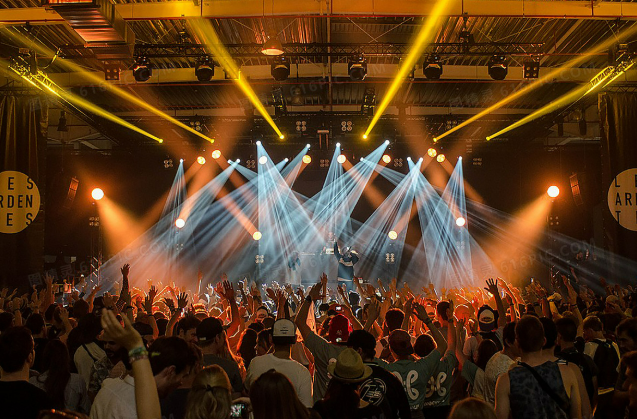
Stage lighting is one of the most important aspects of any live performance. Whether it is a concert, theatrical production, corporate event, television show, wedding, or festival, lighting helps shape the audience's experience. While performers and stage designs often receive the most attention, professional lighting equipment works behind the scenes to create atmosphere, direct focus, enhance emotions, and deliver stunning visual effects.
Over the years, stage lighting technology has evolved dramatically. Traditional incandescent fixtures have largely been replaced by advanced LED lighting systems, intelligent moving heads, and digitally controlled effects. Modern lighting equipment provides designers with greater flexibility, energy efficiency, and creative possibilities than ever before.
Understanding the different types of stage lighting equipment is essential for event organizers, venue managers, production companies, and lighting designers. Each fixture serves a specific purpose, and selecting the right combination can make the difference between an ordinary event and an unforgettable experience.
This guide explores the most common types of stage lighting equipment, their features, benefits, and applications.
The Role of Stage Lighting
Stage lighting serves multiple purposes beyond simple illumination. It helps audiences see performers clearly, guides attention to important areas of the stage, supports storytelling, and creates emotional impact.
Lighting designers use color, intensity, movement, and beam angles to create different moods and visual experiences. Bright white light can create a clean and professional atmosphere, while deep blues and reds may evoke feelings of mystery, excitement, or drama.
In modern productions, lighting often works alongside audio, video, and stage effects to create immersive environments that captivate audiences.
PAR Lights
.JPG)
PAR lights, short for Parabolic Aluminized Reflector lights, are among the most widely used stage lighting fixtures. They are known for their simplicity, reliability, and versatility.
Traditional PAR cans use halogen lamps, while modern versions utilize LED technology. PAR lights produce broad beams that are ideal for washing large areas of the stage with color and illumination.
Advantages of PAR Lights
Affordable and cost-effective
Easy to install and maintain
Wide beam coverage
Excellent color mixing with LED versions
Suitable for indoor and outdoor applications
Applications
PAR lights are commonly used in churches, schools, theaters, concert venues, wedding halls, and corporate events. Their versatility makes them a fundamental component of most lighting systems.
Moving Head Lights
_A93UTr.jpg)
Moving head lights are considered the backbone of modern entertainment lighting. These intelligent fixtures can move automatically, change colors, rotate gobos, adjust focus, and create dynamic visual effects.
Controlled through DMX protocols, moving heads provide exceptional flexibility and creativity.
Types of Moving Head Lights
Beam Moving Heads
Beam fixtures produce narrow, concentrated beams of light that create dramatic aerial effects. They are commonly used in concerts, festivals, and nightclubs.
Spot Moving Heads
Spot fixtures project gobos, logos, and detailed patterns. They offer precise beam control and are ideal for theatrical productions and corporate events.
Wash Moving Heads
Wash fixtures create soft, wide illumination across larger areas. They are commonly used for color washes and background lighting.
Advantages
Moving head fixtures reduce the need for multiple static lights by combining several functions into a single fixture. This improves efficiency and enhances visual creativity.
Follow Spotlights
Follow spotlights are specialized fixtures designed to track performers as they move around the stage. Unlike automated fixtures, follow spots are typically operated manually by trained technicians.
These lights provide focused beams that keep performers clearly visible during performances.
Applications
Musical theater
Concerts
Fashion shows
Award ceremonies
Live broadcasts
Benefits
Follow spotlights provide precise performer tracking and ensure key individuals remain the center of attention throughout an event.
Fresnel Lights
Fresnel lights are named after the Fresnel lens they use. They produce soft-edged beams with smooth transitions, making them ideal for theatrical productions and television studios.
Unlike profile fixtures, Fresnels do not create sharp beam edges. Instead, they provide natural-looking illumination that blends seamlessly with other lighting sources.
Advantages
Soft and even light distribution
Adjustable focus
Natural appearance
Excellent blending capabilities
Common Uses
Fresnel fixtures are frequently used for front lighting, side lighting, and general stage illumination.
Ellipsoidal Spotlights (Profile Lights)
.jpg)
Ellipsoidal spotlights, also known as profile lights, offer exceptional beam control and precision.
These fixtures feature shutters that allow designers to shape the beam and focus attention on specific areas.
Features
Sharp beam edges
Gobo projection capability
Adjustable focus
Precision shutter control
Applications
Profile fixtures are commonly used in theaters, museums, churches, corporate events, and educational institutions.
Their ability to project logos and patterns makes them highly versatile.
Wash Lights
Wash lights provide broad and even illumination across large sections of a stage. Their primary purpose is to create atmosphere through color and coverage.
Modern wash fixtures often use RGBW LED technology, enabling millions of color combinations.
Benefits
Smooth color transitions
Uniform stage coverage
Energy efficiency
Dynamic visual effects
Applications
Wash lights are widely used in concerts, corporate events, worship facilities, and television productions.
LED Panel Lights
LED panel lights have become increasingly popular due to their energy efficiency and excellent light quality.
These fixtures produce soft, uniform illumination that is particularly suitable for video production and broadcasting.
Key Advantages
Low heat output
High color rendering
Adjustable color temperature
Flicker-free operation
Long lifespan
Applications
LED panels are commonly used in television studios, livestreaming setups, conference rooms, and corporate presentations.
Strobe Lights
Strobe lights create rapid flashes of light that add excitement and energy to performances.
When synchronized with music, strobes can dramatically enhance audience engagement.
Common Uses
Concerts
Festivals
Nightclubs
Sporting events
Benefits
Strobe effects create powerful visual moments and contribute to high-energy atmospheres.
Blinder Lights
Blinder lights are designed to illuminate audiences and create dramatic visual impact.
These fixtures produce intense bursts of light that connect performers with spectators.
Applications
Arena concerts
Rock festivals
Television productions
Advantages
Blinders increase audience participation and create memorable moments during performances.
LED Bars and Pixel Fixtures
Pixel-controlled lighting fixtures have revolutionized stage design.
Each LED segment can be controlled independently, allowing designers to create animations, chases, and dynamic visual effects.
Benefits
Unlimited creative possibilities
Advanced pixel mapping
Video synchronization
Dynamic animations
Applications
Pixel fixtures are frequently used in concert tours, television productions, and large-scale entertainment events.
Effect Lighting
Effect lights are designed to create unique visual experiences rather than general illumination.
Popular effect fixtures include:
Laser lights
Derby lights
Moonflower lights
LED effect fixtures
These lights are commonly used in nightclubs, festivals, and entertainment venues.
Architectural Lighting
Architectural lighting extends beyond traditional stage applications. These fixtures illuminate buildings, walls, columns, and landscapes.
Architectural lighting is increasingly popular at weddings, corporate events, hotels, and outdoor venues.
By highlighting architectural features, designers can transform ordinary spaces into visually impressive environments.
Choosing the Right Stage Lighting Equipment
When selecting lighting equipment, several factors should be considered.
Venue Size
Larger venues require more powerful fixtures with greater throw distances.
Event Type
Different events require different lighting approaches. A theater production has different needs than a music festival.
Budget
Balancing performance requirements with budget limitations is essential.
Control Systems
Ensure compatibility with DMX, Art-Net, or other lighting control protocols.
Energy Efficiency
LED technology provides lower operating costs and longer fixture lifespans.
Future Trends in Stage Lighting
The future of stage lighting is shaped by several emerging technologies.
Artificial Intelligence
AI-assisted programming is helping designers create more complex lighting shows with greater efficiency.
Virtual Production
XR and virtual environments are integrating lighting with digital content.
Wireless Technology
Wireless DMX systems simplify installation and improve flexibility.
Sustainability
Energy-efficient LED fixtures continue to replace traditional lighting technologies.
Conclusion
Stage lighting equipment plays a critical role in modern entertainment and event production. From PAR lights and Fresnels to intelligent moving heads and pixel-mapping fixtures, each type of equipment serves a unique purpose.
By understanding the strengths and applications of different lighting fixtures, professionals can design more effective and visually engaging productions. As technology continues to advance, stage lighting will become even more dynamic, intelligent, and creative, opening new possibilities for unforgettable audience experiences.



Blue Sea Lighting is an enterprise with rich experience in the integration of industry and trade in stage lighting and stage special effects related equipment. Its products include moving head lights, par lights, wall washer lights, logo gobo projector lights, power distributor, stage effects such as electronic fireworks machines, snow machines, smoke bubble machines, and related accessories such as light clamps.
Quick Links
For more questions subscribe to our email