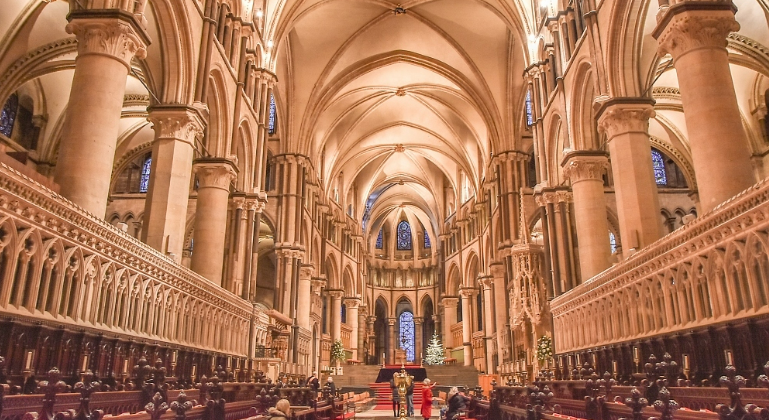
Lighting has always played a critical role in churches, theaters, concert halls, and event venues. It not only illuminates spaces but also creates atmosphere, supports performances, and enhances audience experiences.
For decades, traditional lighting technologies such as halogen, tungsten, and metal halide fixtures dominated the industry. However, advances in LED technology have transformed the lighting landscape. Today, churches and venues around the world are replacing traditional fixtures with LED solutions at an unprecedented rate.
The reasons are straightforward: lower energy consumption, reduced maintenance costs, longer lifespan, improved lighting quality, and quieter operation.
This article explores why LED lighting has become the preferred choice and why so many facilities are upgrading from traditional systems.
Understanding Traditional Lighting Technologies
Before comparing LEDs with traditional fixtures, it is important to understand how conventional lighting works.
Traditional stage and architectural lighting commonly includes:
Halogen lamps
Incandescent bulbs
Metal halide fixtures
Discharge lamps
These fixtures generate light by heating filaments or creating electrical arcs within gas-filled chambers.
While effective, they have several drawbacks:
High power consumption
Significant heat generation
Short operating life
Frequent maintenance requirements
Higher operating costs
For churches and venues operating lighting systems for many hours each week, these disadvantages accumulate quickly.
Energy Efficiency Comparison: LEDs Can Save Up to 80% on Electricity Costs
One of the most compelling reasons for upgrading is energy efficiency.
LED fixtures convert a much larger percentage of electrical energy into visible light rather than heat.
Typical Energy Consumption Comparison
| Fixture Type | Power Consumption |
|---|---|
| Traditional Halogen PAR | 1000W |
| LED PAR Equivalent | 150W–200W |
This means an LED fixture can produce similar lighting output while consuming only a fraction of the electricity.
Real-World Example
Consider a church using:
50 halogen fixtures
1000W each
20 hours per week
Annual energy consumption:
50 × 1000W × 20 hours × 52 weeks
= 52,000 kWh annually
Replacing them with 200W LED fixtures:
50 × 200W × 20 hours × 52 weeks
= 10,400 kWh annually
Energy savings:
52,000 − 10,400
= 41,600 kWh annually
This represents approximately:
80% reduction in energy consumption
For venues facing rising electricity prices, these savings can amount to thousands of dollars every year.
Reduced Heat Generation
Traditional fixtures waste significant amounts of energy as heat.
Anyone standing under a halogen fixture understands how hot these lights become.
High temperatures create several problems:
Increased air conditioning requirements
Uncomfortable stage environments
Higher cooling costs
Greater fire risks
Reduced equipment lifespan
LED fixtures remain dramatically cooler.
Benefits include:
Lower HVAC costs
Safer operation
Improved comfort for performers
Better reliability
For churches hosting lengthy worship services, reduced heat can significantly improve comfort for musicians, speakers, and congregations.
Lifespan Advantage: Why LEDs Last Much Longer
Another major reason facilities are upgrading is longevity.
Average Lifespan Comparison
| Lighting Technology | Average Lifespan |
|---|---|
| Halogen Lamp | 2,000 Hours |
| Metal Halide Lamp | 6,000–15,000 Hours |
| LED Fixture | 50,000–100,000 Hours |
An LED fixture can last 25 times longer than a traditional halogen lamp.
In practical terms:
A church operating lights 20 hours per week would use:
20 × 52 = 1,040 hours annually
At this rate:
Halogen lamp lasts about 2 years
LED fixture can last 50+ years
This dramatically reduces replacement frequency.
Maintenance Benefits: Eliminating Frequent High-Level Lamp Replacement
Maintenance costs often exceed the price of replacement bulbs.
Many churches and theaters feature:
High ceilings
Large sanctuaries
Elevated lighting grids
Catwalk systems
Replacing lamps may require:
Lifts
Scaffolding
Specialized technicians
Venue closures
Each maintenance operation involves labor costs and safety considerations.
With LED fixtures lasting tens of thousands of hours, maintenance schedules become far less demanding.
Advantages include:
Improved Safety
Technicians spend less time working at height.
Lower Labor Costs
Fewer maintenance visits reduce annual operating expenses.
Reduced Service Interruptions
Worship services and performances experience fewer disruptions.
Better Reliability
LED fixtures provide consistent performance over extended periods.
For facilities managers, this maintenance reduction alone often justifies the investment.
Silent Operation: Ideal for Churches and Theaters
One of the less discussed but highly important benefits of LED lighting is quiet operation.
Many worship environments require:
Silence
Reflection
Prayer
Acoustic performances
Traditional fixtures often rely on cooling systems that generate noise.
Older lighting systems may introduce:
Fan noise
Ballast hum
Transformer vibration
These sounds become noticeable during:
Sermons
Solo performances
Prayer sessions
Theatrical dialogue
Modern LED fixtures are often designed with:
Silent cooling systems
Low-noise fans
Fanless designs
This creates a cleaner acoustic environment.
For churches and theaters, preserving audio clarity is essential.
Improved Lighting Quality
Early LED technology faced criticism regarding color quality.
Today, modern LEDs offer:
High CRI ratings
Accurate color reproduction
Smooth dimming
Consistent brightness
Benefits include:
Better Skin Tones
Pastors, actors, and performers appear more natural.
Enhanced Broadcast Quality
Many churches livestream services.
LED lighting improves camera performance significantly.
Flexible Color Mixing
RGBW and RGBAL fixtures enable virtually unlimited color options.
Dynamic Lighting Effects
LED technology supports modern worship and theatrical productions.
Environmental Sustainability
Sustainability has become increasingly important for organizations worldwide.
LED lighting supports environmental goals through:
Reduced electricity consumption
Lower carbon emissions
Longer product lifespan
Reduced waste generation
Replacing traditional fixtures with LEDs contributes to a greener operation.
Many churches view environmental stewardship as part of their mission and values.
Financial Return on Investment
Although LED fixtures often have higher initial costs, the total cost of ownership is significantly lower.
Savings come from:
Reduced electricity bills
Lower cooling costs
Minimal maintenance
Fewer replacement lamps
Many facilities achieve full ROI within:
2 to 5 years
After that point, ongoing savings continue year after year.
Why Churches Are Leading the Upgrade Trend
Churches face unique challenges:
Weekly worship services
Special events
Seasonal productions
Volunteer technical teams
LED lighting addresses all these needs by offering:
Simplicity
Reliability
Lower operating costs
Enhanced worship environments
As a result, churches have become some of the fastest adopters of LED technology.
Why Theaters and Venues Are Following
Performance venues increasingly demand:
Flexible lighting design
Energy efficiency
Silent operation
Reduced maintenance
Modern LED fixtures satisfy these requirements while providing creative possibilities previously unavailable with traditional technology.
Venue managers recognize that LED upgrades improve both operational efficiency and audience experience.
Conclusion
The transition from traditional lighting to LED technology is no longer simply a trend—it is becoming the industry standard.
With energy savings of up to 80%, dramatically longer lifespans, reduced maintenance requirements, and quiet operation ideal for worship and performance environments, LEDs provide compelling advantages for churches and venues alike.
As technology continues to evolve, facilities that invest in LED lighting today will benefit from lower operating costs, improved performance, and greater sustainability for years to come.



Blue Sea Lighting is an enterprise with rich experience in the integration of industry and trade in stage lighting and stage special effects related equipment. Its products include moving head lights, par lights, wall washer lights, logo gobo projector lights, power distributor, stage effects such as electronic fireworks machines, snow machines, smoke bubble machines, and related accessories such as light clamps.
Quick Links
For more questions subscribe to our email