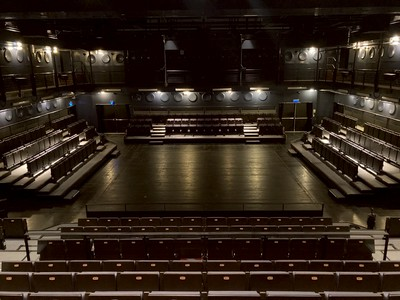
Experimental theater pushes the boundaries of narrative, performance, and audience interaction. It often takes place in non-traditional or reconfigurable spaces—abandoned factories, converted warehouses, black boxes, or even outdoor environments. Within these unconventional venues, lighting is more than a visual tool; it becomes a narrative force, spatial anchor, and atmospheric sculptor.
This article explores innovative lighting approaches tailored specifically for experimental theater, where storytelling breaks free from proscenium conventions and technical flexibility becomes paramount.
Understanding the Nature of Experimental Spaces
Unlike traditional theater venues, experimental spaces are defined by:
Flexible seating arrangements (in-the-round, promenade, site-specific)
Non-standard architectural features (high ceilings, exposed trusses, concrete floors)
Immersive or participatory audience experiences
Minimalist or multi-use staging areas
These characteristics demand adaptable, creative, and often unconventional lighting strategies that align with the performance’s artistic objectives.
Key Lighting Objectives in Experimental Theater
Shape the Environment: Light defines the architecture, reveals or obscures, compresses or expands space.
Guide the Audience: In spaces without fixed sightlines, light steers audience focus, even without visible cues.
Support Fluid Blocking: When actors move through multiple levels or undefined zones, lighting adapts in real time.
Express Abstract Themes: Lighting communicates mood, tone, or symbolism beyond realism.
Enable Close Proximity: Light must be subtle and precise when actors perform inches from the audience.
Conceptual Approaches to Lighting Experimental Theater
1. Site-Specific Integration
In many productions, the building itself becomes part of the set. Lighting can:
Highlight architectural textures (brick, steel, wood)
Follow the grain of the space with grazing or backlighting
Use the natural height and shadow zones to add dimension
Low-angle uplighting or floor-based lighting often proves more effective than overhead rigs in these cases.
2. Non-Rigged Light Sources
Without truss or fly systems, alternatives include:
Floor-mounted LED bars or pars
Custom-built light boxes and scenic-integrated fixtures
Wearable lighting or actor-controlled sources
Lighting in experimental spaces often blurs the line between light and prop.
3. 360° Spatial Lighting
For in-the-round or immersive work, symmetrical lighting becomes crucial:
Use cross-fading or quadrant control to guide focus
Integrate color shifts to change emotional tone without dimming
Employ hidden lighting from ground-level risers or set pieces
The challenge is to reveal without overexposing, preserving mystery while maintaining visibility from all angles.
4. Shadow and Negative Space as Design Elements
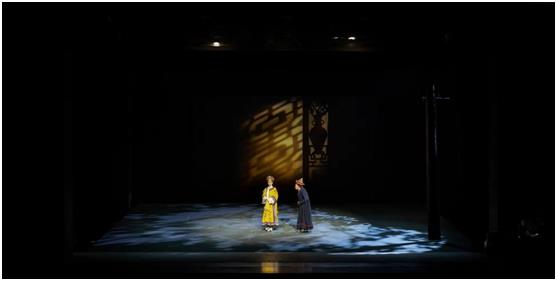
In minimalist or noir-inspired work, shadow is as important as light. Designers can:
Position single-source lighting to create oversized shadows
Use opaque scenic cuts to project graphic silhouettes
Introduce slow movement of shadows as a metaphorical element
Darkness becomes a narrative frame rather than a gap to be filled.
5. Interactive and Responsive Lighting
With performances often changing nightly or reacting to the audience, interactive lighting is growing:
Motion-triggered or proximity sensors to activate light
Actor-controlled foot pedals or MIDI triggers
Sound-reactive color modulation via microphones or live feed
This bridges performance and technology, adding an improvisational layer to the lighting score.
Practical Considerations
| Challenge | Recommended Strategy |
|---|
| No fly space or catwalks | Use ground-supported vertical pipes (“boom trees”) or scaffolds |
| Power limitations | Opt for low-power, high-output LED systems |
| Lack of blackout conditions | Design scenes around ambient integration, not against it |
| Minimal crew or fast setups | Pre-program light states into portable lighting consoles or apps |
Lighting as a Character
In many experimental performances, lighting isn't background—it’s a performer. Light can:
Pulse with a character’s internal state
Re-enact memory or trauma through color shifts
Represent non-human forces—machines, nature, ghosts, or time
This reframing gives lighting narrative agency, deepening audience immersion.
Examples of Experimental Lighting Techniques
Monochromatic palettes (e.g., all cyan or amber) to flatten space into emotional abstraction
Moving handheld lights passed between actors
Dynamic practicals: bare bulbs, desk lamps, cell phones used in cueable ways
Reflective surfaces to bounce light unpredictably (mylar curtains, metal sheets)
Shadow casting through cutouts or live actors onto multiple surfaces
READ MORE: