Sourcing lighting equipment and services from multiple vendors can offer flexibility, better pricing, and access to diverse technologies. However, without a structured approach, it often leads to budget overruns, delays, and fragmented technical coordination.
This article explores the most common budget pitfalls in multi-vendor sourcing scenarios and provides actionable strategies to mitigate them—helping you protect your bottom line while achieving high production value.
I. Why Source from Multiple Vendors?
There are many legitimate reasons for not relying on a single supplier:
Specialization: One vendor may offer superior LED PAR lights, another may be known for robust moving heads.
Pricing: Competitive bids help lower individual item costs.
Availability: For time-sensitive events, distributing orders ensures stock coverage.
Geography: Sourcing regionally can reduce logistics time and customs issues.
While the benefits are clear, the risks to budget control grow significantly with each new partner added to the chain.
II. Pitfall 1: Overlapping or Redundant Items
Symptom:
Multiple vendors quote or deliver the same category of product (e.g., two types of 18x10W LED par cans) because of unclear specifications or poor communication.
Budget Impact:
Double spending on items you didn’t need twice
Extra logistics or return costs
Loss of deposit due to non-refundable policies
Solution:
Issue a centralized spec sheet: Include fixture models, wattage, IP rating, DMX requirements, and usage location.
Appoint one technical coordinator who reviews all quotes before confirmation.
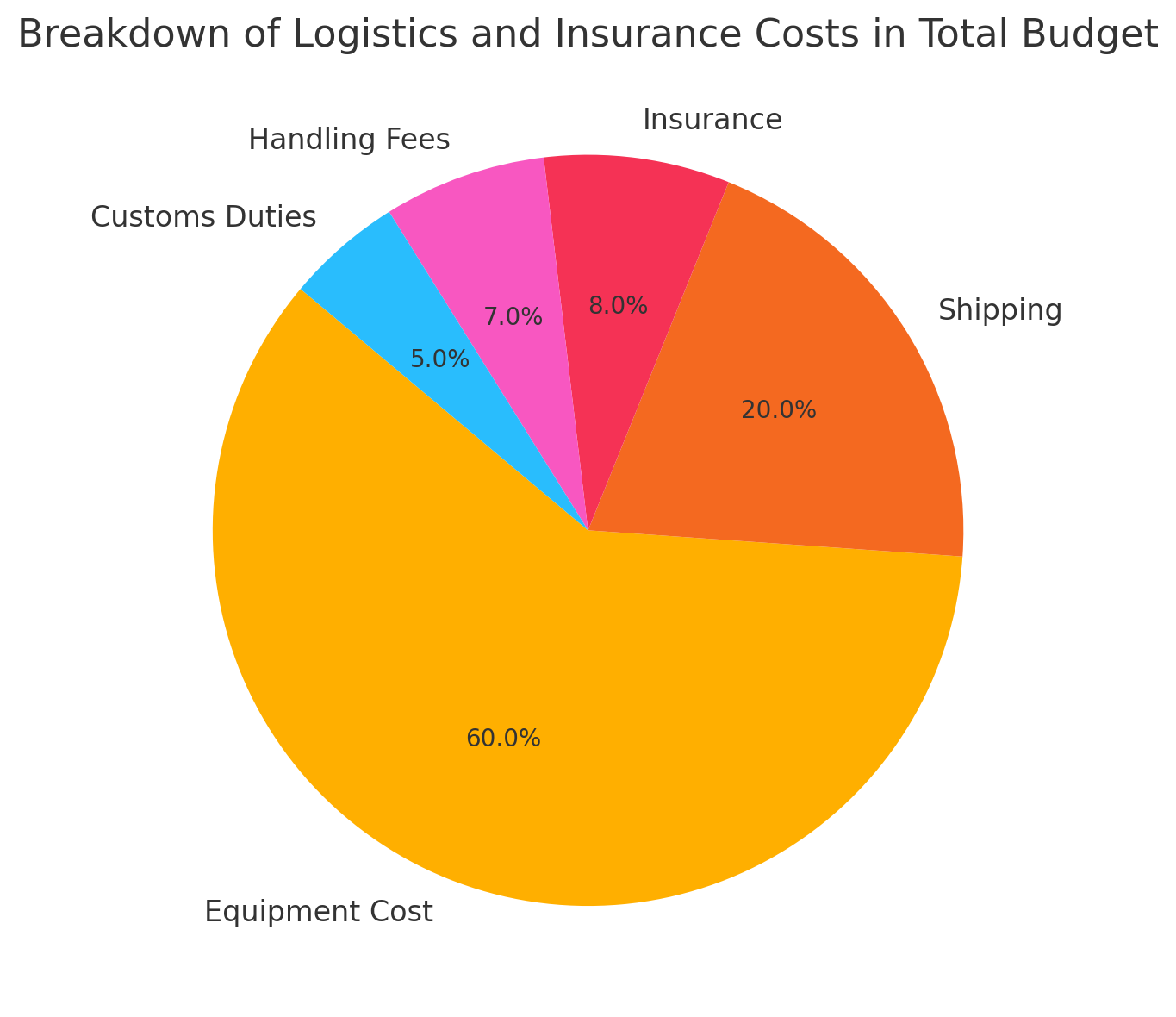
III. Pitfall 2: Hidden Shipping and Handling Costs
Symptom:
Each vendor adds its own shipping, crating, insurance, or handling fees, often after initial quote approval.
Budget Impact:
Solution:
IV. Pitfall 3: Inconsistent Payment Terms and Currency Risks
Symptom:
One vendor requests 100% prepayment, another accepts 30/70 terms.
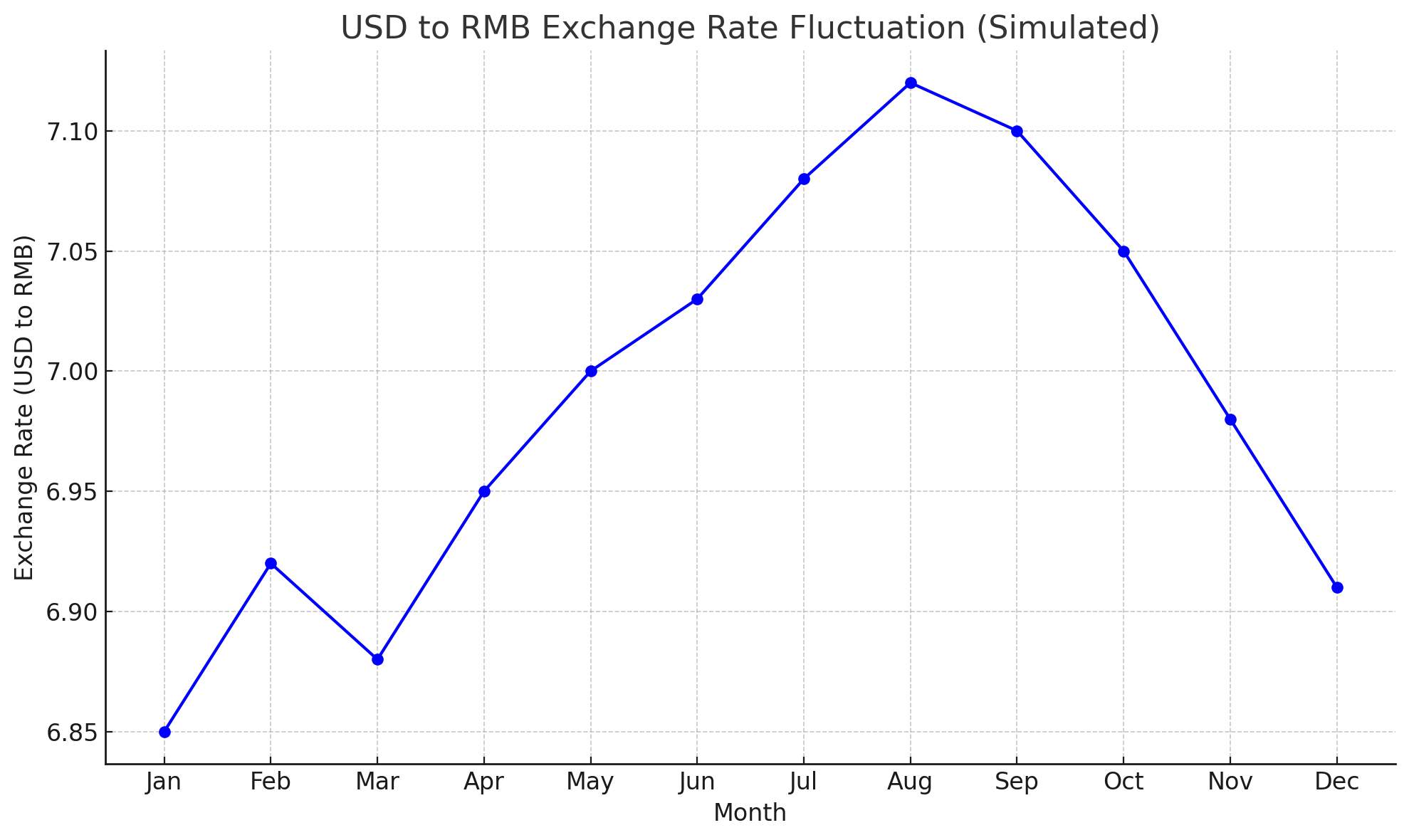
Foreign vendors price in USD/EUR, creating fluctuation risk.
Budget Impact:
Solution:
V. Pitfall 4: Technical Incompatibility Costs
Symptom:
Fixtures from Vendor A don’t support the control protocol used by Vendor B’s console. Or different power connectors lead to additional adapter purchases on-site.
Budget Impact:
Emergency purchase of adapters, splitters, converters
Extra labor costs in rewiring or addressing patch mismatches
Delays in setup = more venue rental hours
Solution:
VI. Pitfall 5: Inconsistent Warranty and Support Coverage
Symptom:
One vendor offers 12-month warranty, another gives 7-day DOA only. When something breaks during load-in, support becomes fragmented.
Budget Impact:
Solution:
VII. Pitfall 6: Overpaying Due to Rush Orders
Symptom:
A delay from Vendor A forces Vendor B to ship urgently to maintain timeline.
Budget Impact:
Express freight costs can triple
Technician overtime charges
Last-minute substitution at premium pricing
Solution:
VIII. Strategies for Budget-Safe Multi-Vendor Sourcing
| Best Practice | Benefit |
|---|
| Centralized procurement sheet | Avoids duplication and confusion |
| Unified timeline and spec book | Ensures compatibility and accountability |
| Freight consolidation | Reduces logistics overhead |
| Pre-negotiated FX terms | Avoids exchange loss |
| Shared technical supervision | Speeds up coordination and install |
| Strategic local partner | Emergency fallback |
Each new vendor increases your risk unless you implement centralized planning and technical oversight.
IX. When to Avoid Multiple Vendors Altogether
There are cases where it's better to stick with a single vendor, even at a slightly higher price:
Tight timelines
Complex lighting network integration
Inexperienced production teams
High-profile events with no room for failure
Simplicity saves more than you think.
Conclusion: Diversify with Control, Not Chaos
Multi-vendor sourcing can help you secure better pricing, tailored product choices, and supply chain flexibility. But without rigorous coordination, it also introduces budget leak points that erode your ROI.
Success depends not on how many vendors you use—but on how well you manage them as one integrated team.
READ MORE: