Introduction
Immersive environments are reshaping how audiences interact with art, entertainment, and information. Whether it's a digital art exhibit, a themed attraction, or a branded experience, lighting is at the core of emotional impact. A well-designed Immersive Lighting Experience doesn’t just illuminate space—it defines it.
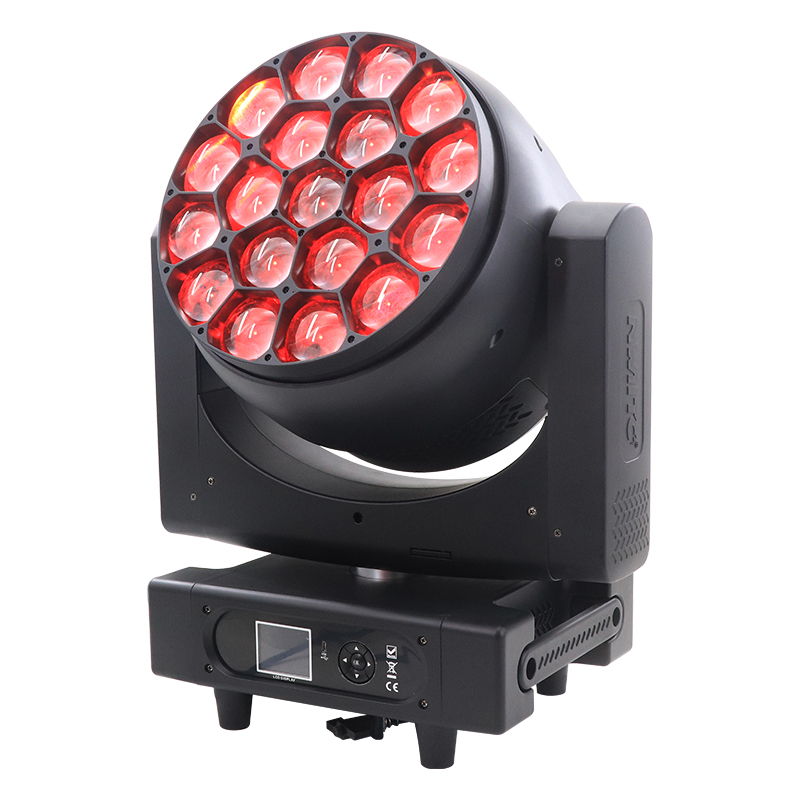
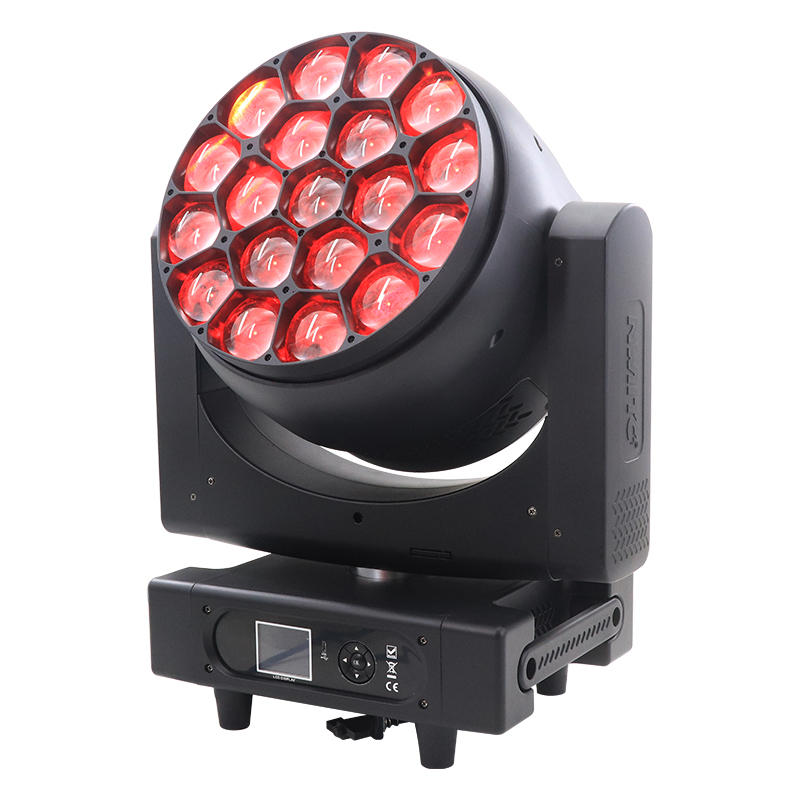
In this article, we’ll explore how lighting technologies, particularly the Pixel-Controlled Moving Head Light, are used to create responsive, emotional, and engaging immersive environments. We’ll also showcase the 19pcs 40W BEE EYE Rotating Pixel Zoom Wash LED Moving Head Light, a powerful example of an Interactive LED Lighting Fixture that brings digital storytelling to life.
1. What Makes Lighting ‘Immersive’?
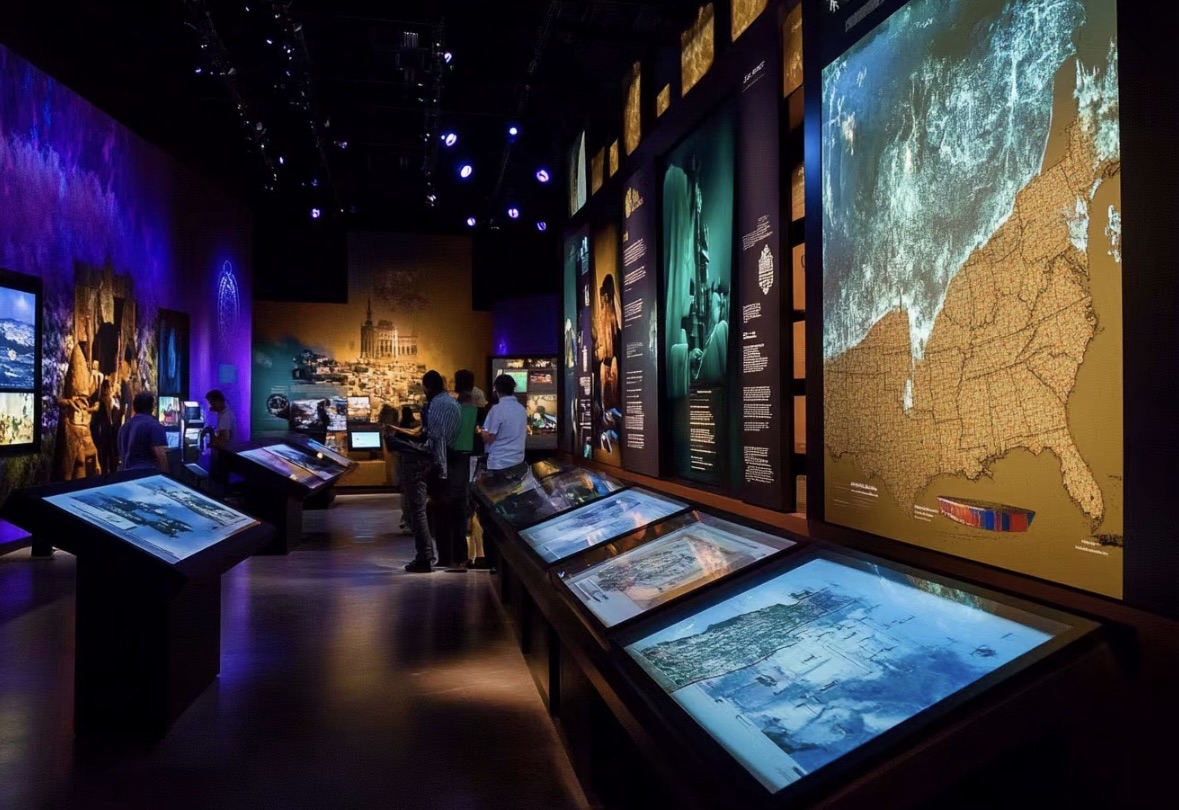
An Immersive Lighting Experience involves more than color and intensity. It responds to movement, enhances narrative, and dynamically transforms space.
Key characteristics include:
360° spatial integration
Real-time interactivity (triggered by audience behavior, sound, or environment)
Multi-zone pixel mapping
Synchronization with audio or projection
Layered lighting textures
These elements work together to dissolve boundaries between viewer and environment—creating a sense of presence and wonder.
2. Fixture in Focus: 19pcs 40W BEE EYE Rotating Pixel Zoom Wash LED Moving Head Light
Technical Highlights:
19 individually controllable 40W RGBW LEDs
Pixel mapping + rotating center FX
Zoom range from 4° narrow beam to 60° wide wash
Multiple control modes including DMX, Auto, Sound, and Master/Slave
High-speed motor rotation for dynamic effects
Compact enough for rigging in tight, low-ceiling immersive spaces
As a Pixel-Controlled Moving Head Light, this unit is both effect generator and ambient engine. It allows creators to treat light as living matter—responsive and shapeable.
3. How Lighting Enhances Immersive Storytelling
A. Guiding Attention
Light focuses audience attention like a visual narrator. In immersive theater or museum spaces, lighting guides users from one scene or narrative moment to the next.
B. Emotional Modulation
Cool blues signal serenity or melancholy. Pulsing reds create urgency. The color spectrum is the emotional score of immersive design. With an Interactive LED Lighting Fixture, designers can cue emotion dynamically based on audience interaction.
C. Spatial Transformation
Using pixel mapping and motion, the Immersive Lighting Experience can change room scale perception—making small rooms feel expansive or large spaces feel intimate.
4. Applications of Pixel-Based Lighting in Immersive Design
| Application Type | Lighting Function | Why Pixel Control Matters |
|---|---|---|
| Immersive Museums | Storyboarded zone transitions, subtle motion FX | Multi-Zone animation syncs with exhibit logic |
| Projection Mapping | Accent lighting with beam movement and color wash | Reinforces projection boundaries and edges |
| XR/AR Stages | Reactive zones triggered by camera tracking | DMX triggers enhance “extended reality” scenes |
| Brand Installations | Color-based call-to-action or user engagement loops | Realtime audience feedback via light behavior |
| Immersive Nightclubs | Full-room FX coordination with music | Rotating beams & pixel bursts energize dancers |
In each setting, the 19pcs 40W BEE EYE fixture excels as an Interactive LED Lighting Fixture, easily programmable to adapt live.
5. Programming for Interaction
To maximize impact, designers can program the Pixel-Controlled Moving Head Light using:
Audio-reactive triggers
MIDI/OSC/DMX input from sensors
Audience tracking (via IR or motion cameras)
Timecode-based synchronization
This makes the Immersive Lighting Experience feel alive—changing in real-time based on how the environment is used.
6. Why the Bee Eye Fixture Stands Out
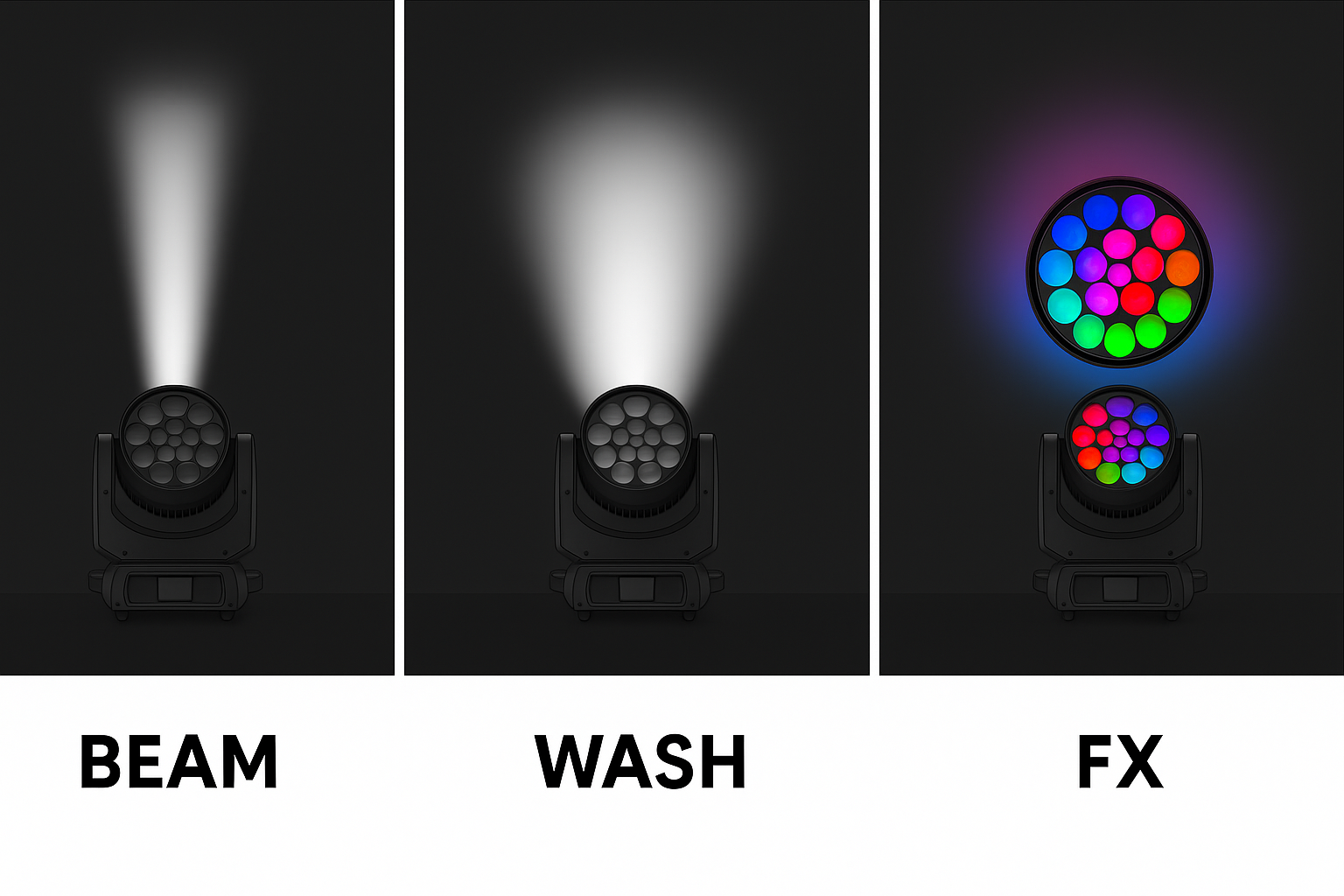
Multi-layered output: beam + wash + effect = 3-in-1
360° rotation and color chase ring create kinetic energy
Small profile fits low-clearance or modular buildouts
Silent operation makes it ideal for museum and gallery spaces
Fully DMX addressable for integrators and show control engineers
In essence, it’s a Pixel-Controlled Moving Head Light that acts as an instrument—capable of rhythm, texture, emotion.
7. Design Considerations for Small Teams
Even independent designers can deploy immersive lighting if:
Fixtures are modular and pre-addressed
Scenes are programmed using timeline software (e.g. Madrix, Resolume)
Each Interactive LED Lighting Fixture is tested with audio or gesture triggers
Scene progression is layered: ambient first, then beam, then FX
The Bee Eye fixture’s built-in macros, zoom, and pixel mapping help speed up creative workflows without sacrificing customization.
Conclusion
Lighting in immersive spaces is no longer just atmospheric—it’s functional, narrative, and emotional. The tools designers use must reflect this shift. A fixture like the 19pcs 40W BEE EYE Rotating Pixel Zoom Wash LED Moving Head Light bridges the gap between lighting and storytelling.
As a Pixel-Controlled Moving Head Light, it responds to cues with nuance and flair. As an Interactive LED Lighting Fixture, it empowers designers to build spaces that don’t just look beautiful—but feel alive. If you're building a truly Immersive Lighting Experience, this is one tool you can’t ignore.
READ MORE:



Blue Sea Lighting is an enterprise with rich experience in the integration of industry and trade in stage lighting and stage special effects related equipment. Its products include moving head lights, par lights, wall washer lights, logo gobo projector lights, power distributor, stage effects such as electronic fireworks machines, snow machines, smoke bubble machines, and related accessories such as light clamps.
Quick Links
For more questions subscribe to our email