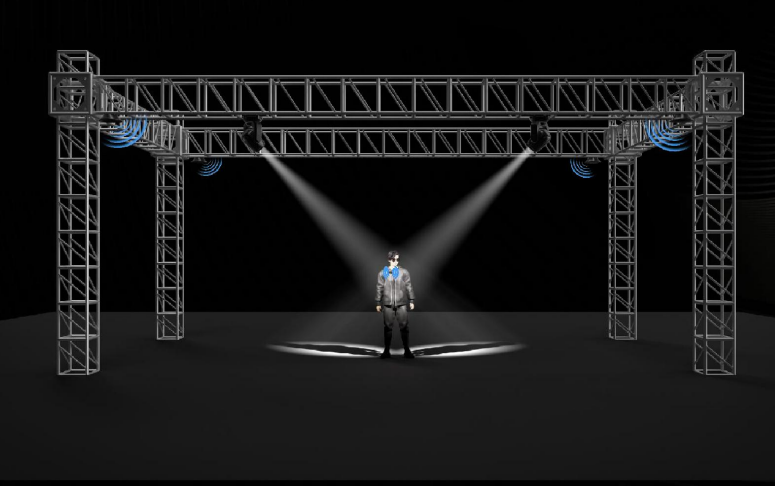
In modern stage production, lighting is no longer just about making a space brighter. It is about guiding the audience’s attention, creating atmosphere, shaping emotion, and highlighting the most important person or object on stage.
Whether it is a wedding entrance, a live concert, a theater show, a church event, a lecture, or an exhibition, the audience needs to know where to look. A well-controlled beam of light can instantly turn a person into the visual focus of the entire venue.
This is exactly why the High-Precision Automated Lighting Follow System has become an important solution for today’s performance and event spaces. It allows lighting fixtures to automatically follow performers, speakers, brides, grooms, hosts, or other moving targets with high accuracy.
Instead of depending only on manual follow spot operators, the system uses intelligent positioning technology to track the target in real time. As the target moves, the light moves with it. This makes the whole lighting experience smoother, more stable, and more professional.
1. What Is a High-Precision Automated Lighting Follow System?
A high-precision automated lighting follow system is an intelligent stage tracking solution. Its main function is simple:
It helps the lighting fixture know where the target is, and then automatically guides the light to follow that target.
The system usually includes several key parts:
1.1 Tracker
The tracker is worn or carried by the person being followed.
It can be used by:
Singers
Dancers
Hosts
Speakers
Brides and grooms
Actors
Performers
Exhibition guides
Special guests
The tracker sends location signals to the system, allowing the system to understand where the person is on the stage or in the venue.
1.2 Anchors
Anchors are also called base stations. They are installed around the performance area.
Their role is to receive signals from the tracker and help calculate the target’s position. The more carefully the anchors are installed, the more stable and accurate the tracking result can be.
1.3 Server
The server is the “brain” of the system.
It receives position data from the anchors, calculates the location of the target, and sends control information to the lighting fixtures or lighting control system.
1.4 Software
The software is used for setup, programming, tracking control, fixture assignment, and scene triggering.
Through the software, lighting designers and technicians can decide:
Which fixture should follow which target
Which area should trigger a lighting effect
How the beam should move
How wide the beam should be
How the lighting should respond when the target enters a specific zone
1.5 Compatible Lighting Fixtures
The system can work with suitable professional lighting fixtures, such as:
Profile lights
BSW lights
Spot lights
Zoom wash lights
Large-aperture moving head lights
Other fixtures with accurate pan and tilt movement
Together, these parts create a complete automatic lighting tracking solution.
2. How Does the System Work?
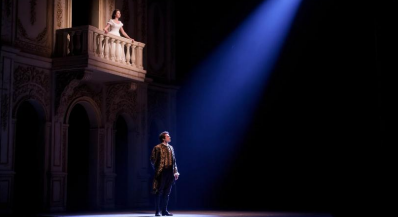
The working process is easy to understand.
First, the performer wears a tracker. The tracker continuously sends wireless signals.
Second, the anchors installed around the venue receive these signals.
Third, the server calculates the performer’s exact position based on the signal data.
Fourth, the software converts the position data into lighting control instructions.
Finally, the lighting fixture automatically adjusts its pan, tilt, beam angle, brightness, and other parameters to follow the performer.
In simple words:
The performer moves.
The tracker sends the position.
The system calculates the location.
The light automatically follows.
For the audience, the effect looks natural. They only see that the light always stays on the most important person on stage.
3. Why UWB Positioning Matters
The system is based on UWB positioning technology.
UWB stands for Ultra-Wideband. It is a wireless positioning technology that can provide high-precision location data over short distances.
For stage lighting, this is very important because lighting follow needs to be:
Fast
Accurate
Stable
Smooth
Reliable
If the tracking is slow, the light will fall behind the performer.
If the tracking is not accurate, the beam may miss the target.
If the system is unstable, the light may shake or move incorrectly.
UWB positioning helps solve these problems. It allows the system to detect the target’s position in real time and support smoother automatic tracking.
This makes it suitable for complex stage environments, including:
Theaters
Wedding halls
Banquet halls
Livehouses
Concert stages
Exhibition halls
Churches
Multi-purpose venues
Small auditoriums
4. Main Function: Precise Automated Lighting Tracking
The most important function of the system is automatic lighting tracking.
When a person wears the tracker, the system can automatically guide the lighting fixture to follow that person. The beam stays on the target even when the person walks, turns, dances, speaks, or interacts with the audience.
This is useful in many real situations.
4.1 For Wedding Entrances
During a wedding entrance, the bride and groom often move from the entrance area to the main stage.
With the automated lighting follow system, the light can follow them smoothly from beginning to end. This creates a romantic and elegant visual effect.
4.2 For Live Performances
In a live show, singers and performers do not always stay in one place.
They may walk to the side of the stage, move closer to the audience, or interact with other performers. Automatic tracking helps keep the main performer clearly visible at all times.
4.3 For Speeches and Conferences
Speakers often prefer to walk naturally while giving a presentation.
Instead of standing behind a fixed podium, they can move freely while the light follows them automatically. This makes the presentation more dynamic and professional.
4.4 For Theater and Stage Shows
Actors and dancers often follow complex movement paths.
An automated lighting follow system helps keep the right performer in focus and reduces the need for continuous manual follow spot operation.
5. Position Triggering: More Than Just Following
The system does not only follow a moving target. It can also trigger specific effects based on position.
This is called position triggering.
For example, when a person enters a certain area, the system can automatically activate:
A lighting scene
A color change
A beam effect
A sound effect
A video cue
A special stage effect
This makes the stage more interactive and intelligent.
5.1 Wedding Scene Example
A wedding hall can set different trigger zones.
When the bride enters the hall, the system can turn on a soft white spotlight.
When she reaches the center stage, the system can change to a brighter romantic scene.
When the couple begins the first dance, the system can trigger a new lighting program.
This helps create a smooth ceremony without requiring many operators to control every cue manually.
5.2 Exhibition Scene Example
In an exhibition hall, visitors or guides can trigger different lighting effects when they enter different areas.
This can help highlight products, create immersive experiences, and make the exhibition more interactive.
5.3 Live Show Example
In a live show, a singer can walk to a specific area and trigger a special color, beam movement, or visual effect.
This adds more creativity to the performance.
6. Two Working Modes for Different Needs
A practical automated lighting follow system should support different working modes.
The two most common modes are:
6.1 Continuous Tracking Mode
In this mode, the system continuously follows the moving target.
It is suitable for:
Singers
Hosts
Dancers
Actors
Brides and grooms
Speakers
Performers
This mode is used when the light needs to stay on the target in real time.
6.2 Position Trigger Mode
In this mode, the system activates specific effects when the target enters a preset area.
It is suitable for:
Wedding entrances
Exhibition interaction
Immersive spaces
Product launches
Scene changes
Special performance moments
The two modes can also be used together. For example, the system can follow a singer continuously while also triggering different lighting effects when the singer moves to different stage zones.
7. Benefits for Venue Owners
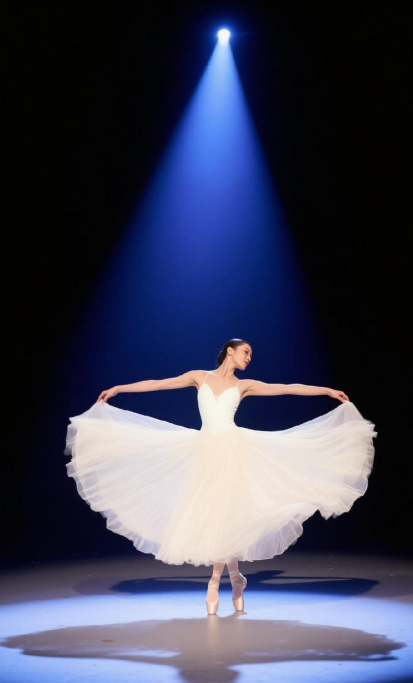
For venue owners, the automated lighting follow system brings several practical benefits.
7.1 Reduces Labor Cost
Traditional follow spot operation often requires trained operators.
With automated tracking, the system can complete many follow lighting tasks automatically. This reduces the need for dedicated follow spot operators and helps lower labor costs.
7.2 Improves Event Quality
Automatic tracking makes the lighting effect more stable and consistent.
For venues that host many events, such as wedding halls and banquet halls, this helps maintain a professional standard for every event.
7.3 Increases Venue Value
Professional lighting effects can make a venue look more advanced and attractive.
A venue with automatic tracking can offer better visual experiences to customers, which may help improve its competitiveness.
7.4 Supports More Event Types
The system can be used for many different applications, including:
Weddings
Banquets
Live shows
Conferences
Church events
Exhibitions
Product launches
Cultural tourism events
Multi-purpose hall activities
This makes the venue more flexible and easier to operate.
8. Benefits for Lighting Designers
For lighting designers, automation does not remove creativity. Instead, it supports creativity.
The system handles the repeated tracking work, while the designer can focus on artistic control.
Lighting designers can still adjust:
Beam size
Brightness
Color
Gobo effects
Focus
Movement speed
Scene timing
Cue changes
This allows designers to create richer and more precise lighting effects.
8.1 More Creative Freedom
With automatic tracking, designers can create effects that respond to movement.
For example:
A performer enters a zone and triggers a color change.
A bride reaches the stage and activates a romantic lighting scene.
A speaker walks to the center and receives a brighter front light.
A dancer moves across the stage while several fixtures follow from different angles.
These effects can make the show more dynamic and memorable.
8.2 Better Control with Lighting Consoles
The system can work together with professional lighting consoles.
This allows lighting designers to keep their normal workflow while adding automatic tracking capability. The console can still control the overall show, while the tracking system manages the target position.
9. Flexible Fixture Utilization
One of the major advantages of this system is flexible fixture utilization.
In many venues, one lighting fixture does not need to serve only one purpose. The same moving head light can be used as a follow light in one scene and as an effect light in another scene.
For example:
During a wedding entrance, the fixture follows the bride and groom.
During the dinner, the same fixture creates soft atmosphere lighting.
During the party, it becomes a beam or wash effect light.
During a speech, it follows the speaker.
This improves the use value of each fixture and helps venues save equipment investment.
10. Recommended Fixture Types
To achieve a better tracking effect, it is important to choose suitable fixtures.
Recommended fixture types include:
10.1 Profile Lights
Profile lights are suitable for clean and accurate lighting. They can create a controlled beam and are useful for stages that require precise focus.
10.2 BSW Lights
BSW lights combine beam, spot, and wash functions. They are flexible and suitable for venues that need different lighting effects from one fixture.
10.3 Zoom Wash Lights
Zoom wash lights are useful for venues with lower ceilings or smaller tracking areas. They can provide a softer and wider lighting effect.
10.4 Large-Aperture Spot Lights
Large-aperture spot lights are suitable for stronger visual focus and larger stages.
When selecting fixtures, users should consider:
Beam size
Movement precision
Pan and tilt speed
Brightness
Optical quality
Compatibility with the control system
Fixtures with very small gobo size or unsuitable beam coverage may not be ideal for tracking.
11. Application Scenario: Wedding Halls and Banquet Halls
Wedding halls and banquet halls are among the most suitable places for an automated lighting follow system.
In these venues, lighting needs to create emotion and ceremony. The most important moments include:
Bride entrance
Groom entrance
Couple walking together
Ring exchange
First dance
Toast ceremony
Host interaction
Guest speeches
With automatic tracking, the bride, groom, host, or key guest can remain in the spotlight at the right moment.
The system can also trigger different scenes during the wedding process. This makes the event feel smoother and more luxurious.
For banquet halls, the system can support semi-automatic or fully automatic operation. This is useful when the venue wants to reduce labor while keeping a high-quality lighting effect.
12. Application Scenario: Exhibition Halls and Multi-Functional Halls
Exhibition halls and multi-functional halls need flexible lighting.
The same space may be used for:
Product launches
Art exhibitions
Corporate events
Lectures
Brand shows
Immersive experiences
Small performances
An automated lighting follow system can help the venue adapt quickly.
For example, during a product presentation, the light can follow the speaker. During an exhibition, lighting effects can be triggered when visitors enter specific areas. During a brand event, the system can highlight people, products, or display zones.
This improves both visual quality and operational efficiency.
13. Application Scenario: Nightclubs, Livehouses, and Live Shows
Nightclubs, livehouses, and live shows need lighting that is energetic and flexible.
Performers often move freely, and the lighting must keep up with the rhythm of the show.
An automated lighting follow system helps keep the main performer visible while still allowing the lighting designer to control the atmosphere.
It is suitable for:
Singers
Bands
DJs
Hosts
Dancers
Special performers
Live event productions
The system reduces the need for dedicated follow spot operators and makes the show easier to manage.
14. Application Scenario: Theaters, Churches, and Auditoriums
Theaters, churches, and auditoriums also benefit from automated tracking.
In theaters, the system helps follow actors and dancers during movement-heavy performances.
In churches, it can follow speakers, worship leaders, or performers during services and events.
In auditoriums and lecture halls, it can follow teachers, lecturers, presenters, or hosts.
This makes the lighting more stable and helps the audience focus on the right person.
15. Installation Notes for Better Performance
Correct installation is very important for tracking accuracy.
Here are several key points:
15.1 Install Anchors Properly
Anchors should be placed around the tracking area. A basic setup may use four base stations, while larger or more accurate systems may use more anchors.
15.2 Avoid Metal Obstructions
There should be no major metal obstacles between anchors and trackers.
Metal structures may affect signal transmission and reduce positioning accuracy.
15.3 Install Anchors Below Lighting Fixtures
If anchors are blocked by lighting fixtures, the signal may be affected.
Installing anchors below lighting fixtures can help improve signal transmission and tracking stability.
15.4 Choose the Right Tracker Position
The tracker can be worn on the chest, waist, or other suitable position.
For better tracking accuracy, the tracker position should be selected according to the performer’s movement and costume.
15.5 Test Before the Event
Before the show or event begins, the system should be tested carefully.
The technical team should check:
Tracking range
Fixture response
Beam accuracy
Trigger zones
Signal stability
Software settings
Console connection
A good test can prevent problems during the actual event.
16. Why This System Is a Smart Investment
A high-precision automated lighting follow system is not only a technology upgrade. It is also a practical investment for venues and event companies.
It can help users:
Reduce labor costs
Improve lighting accuracy
Enhance customer experience
Increase venue competitiveness
Support more event types
Make lighting operation easier
Improve equipment utilization
Create interactive effects
Build more professional stage scenes
For commercial venues, these benefits can directly improve service quality and business value.
17. A Better Experience for the Audience
The audience may not understand the technology behind the system, but they can feel the difference.
When the lighting is accurate, the show looks more professional.
When the performer is always highlighted, the story is easier to follow.
When scene changes happen smoothly, the event feels more polished.
When interactive lighting responds to movement, the experience becomes more immersive.
Good lighting helps the audience focus, feel, and remember.
That is the true value of an automated lighting follow system.
18. Conclusion
The High-Precision Automated Lighting Follow System is a powerful solution for modern stage lighting control. It uses intelligent positioning, trackers, anchors, server processing, software control, and compatible lighting fixtures to create accurate and smooth automatic follow lighting.
It can be used in weddings, banquet halls, theaters, livehouses, churches, exhibition halls, multi-functional halls, conferences, concerts, and rental events.
Its main value is clear:
It automatically follows moving targets.
It reduces the need for manual follow spot operators.
It supports position-triggered effects.
It works with professional lighting control systems.
It improves event quality and venue efficiency.
It helps every important person or moment become the visual focus.
With this system, lighting becomes smarter, more accurate, and easier to manage.
The High-Precision Automated Lighting Follow System truly lets the light automatically lock onto every stage focus.



Blue Sea Lighting is an enterprise with rich experience in the integration of industry and trade in stage lighting and stage special effects related equipment. Its products include moving head lights, par lights, wall washer lights, logo gobo projector lights, power distributor, stage effects such as electronic fireworks machines, snow machines, smoke bubble machines, and related accessories such as light clamps.
Quick Links
For more questions subscribe to our email