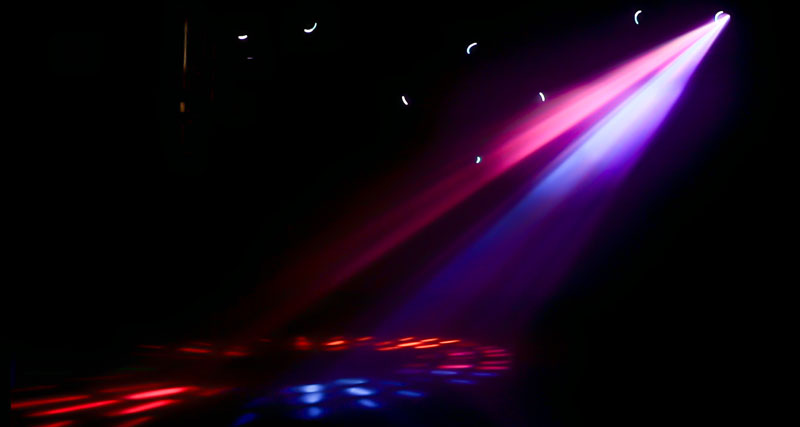
Stage lighting is much more than a tool for making performers visible. It is a language of emotion, rhythm, space, atmosphere, and imagination. A single beam of light can guide the audience’s attention. A soft wash can create romance. A sharp moving beam can build excitement. A sudden blackout can bring silence and tension. From theatre stages to concert tours, from television studios to outdoor festivals, lighting has always played a key role in how people experience live performance.
However, modern stage lighting did not appear overnight. Today’s LED moving head lights, pixel wash fixtures, waterproof beam lights, battery-powered uplights, laser effects, and intelligent control networks are the result of more than a century of experimentation. Before lighting became digital, programmable, compact, and energy-saving, it passed through many important stages: gaslight, incandescent lamps, carbon arc lamps, halogen lamps, discharge lamps, xenon lamps, metal halide sources, and finally LED technology.
The title “The Evolution of Stage Lighting: From Gaslight to Modern LED Technology” reminds us that every lighting technology changed not only the equipment used on stage, but also the way designers thought. Each new source offered new brightness, new color possibilities, new safety standards, and new creative freedom. The development of stage lighting is therefore both a technical story and an artistic story.
This article looks back at the evolution of stage lighting from the 1930s to the modern era, explains why LED has become the most important turning point in the industry, and explores how intelligent lighting may develop over the next ten years.
1. A Retro Review: From Incandescent Lamps to Discharge Lighting
Although the title begins with gaslight, the most important period for modern stage lighting starts after electricity became widely used in theatres and performance spaces. Gaslight was once revolutionary because it allowed stages to be lit more evenly and brightly than candles or oil lamps. Yet gaslight had serious limitations. It created heat, consumed oxygen, carried fire risks, and was difficult to control with precision. When electric lighting became practical, stage production entered a new age.
By the 1930s, incandescent lamps were already common in many theatres. These lamps produced light by heating a filament until it glowed. For audiences and designers at the time, incandescent lighting offered a warm, natural, and familiar visual quality. It could be dimmed smoothly, which was extremely useful for theatre. Designers could create sunrise, sunset, candlelight effects, and emotional transitions by lowering or raising intensity. This smooth dimming behavior became one of the reasons why tungsten and halogen sources remained loved by theatre professionals for decades.
Incandescent lighting also helped create the basic vocabulary of stage lighting. Fresnel spotlights, profile spotlights, floodlights, footlights, border lights, and strip lights became standard tools. A lighting designer could shape the stage with front light, side light, backlight, top light, and special highlights. The goal was no longer only visibility. Lighting began to sculpt bodies, reveal scenery, control mood, and support the story.
However, incandescent sources had clear disadvantages. They consumed a lot of power and converted much of that power into heat rather than visible light. Large theatres needed heavy electrical infrastructure. Performers standing under strong tungsten fixtures could feel intense heat. Color was also created mainly by gels or filters placed in front of the fixture. These filters absorbed light, reduced brightness, and faded over time.
In the mid-20th century, halogen lamps improved the incandescent concept. Halogen fixtures were brighter, more compact, and had a more stable color temperature during operation. They became widely used in stage, studio, and architectural lighting. For many years, halogen was the standard choice for theatres, television studios, conferences, hotels, and small performance venues. It offered beautiful warm light, simple dimming, and reliable performance.
At the same time, another family of light sources became increasingly important: discharge lamps. Unlike incandescent lamps, discharge lamps produce light by sending an electrical arc through gas or vapor. Different materials and gases can create different brightness levels and color qualities. Carbon arc lamps had already been used earlier for strong follow spots and projection, but later discharge technologies made high-output stage lighting more practical and powerful.
Discharge lamps changed the entertainment industry because they could produce very bright light from a relatively compact source. This was especially important for large venues, concerts, nightclubs, television shows, and outdoor events. Metal halide and xenon lamps became important in follow spots, moving heads, searchlights, and high-intensity beam fixtures. They created strong, sharp beams that could cut through smoke, haze, and large stage environments.
In the 1980s and 1990s, the rise of intelligent lighting pushed discharge lamps into the spotlight. Moving head fixtures and scanners used compact, bright discharge lamps to produce beams that could pan, tilt, change color, rotate gobos, zoom, focus, strobe, and create dynamic effects. A single intelligent fixture could replace many conventional lights in certain applications. Designers could program complex looks, fast movements, and synchronized scenes through lighting consoles.
This was a major transformation. Stage lighting became more dynamic, automated, and spectacular. Concerts were no longer only about illuminating musicians. Lighting became part of the show itself. Beams moved with the music. Gobos painted textures across the stage. Color changes matched emotional moments. Strobe effects created explosive energy. Large-scale entertainment lighting became a visual performance.
Yet discharge lighting also had limitations. Many discharge lamps needed time to strike and warm up. They could not always be dimmed as smoothly as tungsten lamps. Lamp life was limited, and replacement costs could be high. Heat management was still a challenge. Color systems often depended on mechanical wheels or filters, which added complexity. Fixtures were powerful but also heavy, noisy, and maintenance-intensive.
By the early 2000s, the industry had reached a turning point. Traditional incandescent and halogen lights still offered beautiful color rendering and smooth dimming. Discharge lamps offered brightness and beam power. Intelligent fixtures brought movement and automation. But the market needed something more efficient, more flexible, more compact, more controllable, and more sustainable. That need opened the door for LED stage lighting.
2. The Technical Turning Point: Why LED Is the Future of Stage Lighting
LED, or light-emitting diode, changed the direction of the lighting industry because it is not simply another lamp type. It is a different way of producing light. Instead of heating a filament or creating an arc through gas, LEDs create light through semiconductor technology. This difference gives LED fixtures many advantages that are especially valuable for stage applications.
The first major advantage is energy efficiency. Traditional incandescent lamps waste much of their energy as heat. LED fixtures use energy more effectively, which reduces power consumption and operating cost. For theatres, churches, schools, rental companies, clubs, hotels, and touring productions, lower energy use means smaller power requirements, less heat on stage, and easier installation in many venues.
The second advantage is lower heat output. Stage lighting has always had a heat problem. Performers, technicians, and equipment all suffer when fixtures produce excessive heat. LED fixtures still require thermal management, but they generally produce less radiant heat toward the stage compared with many traditional lamps. This makes the performance environment more comfortable and helps protect scenery, costumes, screens, and decorative materials.
The third advantage is color flexibility. Traditional fixtures usually need gels, color wheels, or mechanical color-mixing systems. LED fixtures can mix colors electronically through RGB, RGBW, RGBWA, RGBAWUV, or other multi-chip combinations. This allows designers to create millions of color possibilities without physically changing filters. A stage can shift from deep blue to warm amber, from vivid red to soft lavender, from theatrical white to saturated concert color in seconds.
The fourth advantage is instant response. LEDs can turn on and off very quickly. This is important for strobe effects, pixel effects, chase sequences, music synchronization, and video-like lighting patterns. LED fixtures can respond precisely to control signals, making them ideal for modern shows that require accurate timing.
The fifth advantage is fixture design freedom. Because LED modules can be small and arranged in different shapes, manufacturers can design fixtures that were difficult or impossible with traditional lamps. LED wash lights, bee-eye moving heads, LED bars, pixel tubes, matrix panels, ring effects, halo fixtures, hybrid beam lights, battery-powered uplights, waterproof outdoor fixtures, and compact moving heads all benefit from LED technology. Lighting is no longer limited to a single lamp in a reflector. It can become a creative surface, a pixel array, or a multi-functional visual device.
The sixth advantage is long service life and reduced maintenance. Traditional lamps must be replaced regularly, especially in high-output discharge fixtures. LED engines can last much longer when properly designed with good cooling and stable drivers. For rental companies and venues, reduced lamp replacement means less downtime, lower maintenance cost, and better long-term value.
The seventh advantage is compatibility with intelligent control. Modern LED fixtures can include multiple control channels for dimming, color, zoom, pan, tilt, macro effects, pixel mapping, strobe, focus, and built-in programs. Through DMX, RDM, Art-Net, sACN, and other control systems, LED fixtures can become part of a large networked lighting environment. This allows lighting designers to control hundreds or thousands of parameters from a console or software platform.
These advantages explain why LED is not only a replacement technology, but the foundation of the future. LED can serve theatre, concert, broadcast, architectural, commercial, and outdoor entertainment markets at the same time. It can produce soft wash light, narrow beam effects, high-output white light, decorative uplighting, color-changing backgrounds, and pixel-based visual patterns.
For small venues, LED reduces power pressure and simplifies installation. A school auditorium, wedding hall, church, or hotel ballroom can use LED fixtures without the same level of dimmer racks, heat load, and electrical demand required by older systems. For large productions, LED enables greater creative density. Designers can add more fixtures, more pixels, more colors, and more dynamic layers while managing energy and control more efficiently.
LED also supports the global movement toward sustainability. Modern customers increasingly care about energy savings, carbon reduction, long product life, and lower operating costs. Stage lighting companies must respond to this demand. A lighting solution is no longer judged only by brightness. It is also judged by efficiency, reliability, flexibility, environmental impact, and return on investment.
Of course, LED technology also has challenges. Poor-quality LED fixtures may suffer from weak color mixing, flicker on camera, poor dimming curves, unstable drivers, overheating, or inconsistent white light. Professional stage lighting requires good optical design, high-quality LED chips, stable power supply, accurate control, effective heat dissipation, and durable housing. This is why the future belongs not simply to LED, but to well-engineered professional LED lighting.
In other words, LED is the future because it combines what earlier technologies could only offer separately. It can be efficient like modern energy-saving lamps, colorful like filtered theatrical lights, fast like electronic effects, compact like small fixtures, intelligent like automated moving heads, and flexible like digital media systems. It brings lighting closer to the logic of modern visual design.
3. LED and the New Creative Language of Stage Design
The rise of LED has changed the creative language of stage lighting. In the past, lighting design was often built around fixture positions, dimmer circuits, color gels, and beam angles. Today, lighting design also includes pixels, mapping, media synchronization, network control, and interactive effects.
A modern LED stage may include several layers of light. Front wash lights provide clear visibility for performers. Moving head beam lights create aerial effects. LED wash moving heads produce color atmosphere. Pixel bars and LED strips outline scenery. Battery-powered uplights decorate walls, trusses, and event spaces. Waterproof beam fixtures support outdoor concerts and festivals. LED panels and video screens create digital backgrounds. All of these elements can be controlled as one visual system.
This makes lighting more immersive. The audience does not only see light from above. They may be surrounded by light from the stage floor, side trusses, ceiling structures, scenic objects, and video surfaces. Color can travel across the whole environment. A lighting cue can begin as a soft glow, become a moving beam, expand into a pixel wave, and end as a full-stage blackout.
LED also makes lighting more musical. Because LED fixtures respond quickly, designers can program precise effects to match beats, rhythms, drops, and transitions. In electronic music festivals, pop concerts, live broadcasts, and dance performances, lighting often functions like a visual instrument. It follows the music, supports the mood, and amplifies the emotional energy of the performance.
In theatre, LED offers a different kind of benefit. It allows subtle color control, quiet scene transitions, and flexible white-light adjustment. Warm white, cool white, amber, lime, and other LED combinations can help designers create more natural skin tones and more accurate theatrical environments. For drama, opera, dance, and musical theatre, LED can provide both artistic sensitivity and practical efficiency.
For event production, LED has made lighting more accessible. Corporate events, weddings, exhibitions, product launches, fashion shows, and cultural festivals now use lighting effects that were once limited to large concerts. Compact LED moving heads, uplights, and wash lights can quickly transform a venue. A plain hall can become a premium event space through color, texture, and movement.
The creative importance of LED lies in its flexibility. It can be functional and decorative at the same time. It can illuminate people and become scenery. It can be hidden in structures or displayed as a visual feature. It can support minimal theatre or high-energy concerts. This is why LED has become the center of modern lighting design.
4. Industry Outlook: Intelligent Trends in the Next 10 Years
The next ten years of stage lighting will not be defined only by brighter fixtures. Brightness will still matter, especially for large venues and outdoor events, but the most important changes will come from intelligence, connectivity, automation, and integration.
The first trend is smarter fixture control. Future lighting fixtures will become more self-aware. Through RDM and advanced network feedback, fixtures can report temperature, operating hours, errors, address information, fan status, and other data. This will help technicians manage large systems more efficiently. Instead of checking each fixture manually, operators will be able to monitor equipment health from a central platform.
The second trend is network-based lighting systems. DMX will remain important, but large productions increasingly need Art-Net, sACN, Ethernet-based control, wireless DMX, and hybrid networks. As shows become more complex, lighting systems must handle more channels, more universes, more pixels, and more real-time data. Networked lighting makes it easier to connect consoles, media servers, fixtures, sensors, and backup systems.
The third trend is AI-assisted programming. Lighting designers will still make the artistic decisions, but artificial intelligence may help with repetitive or time-consuming tasks. For example, software may analyze music tempo and suggest cue timing. It may generate basic color palettes based on the mood of a scene. It may help organize fixture groups, identify patching errors, or create first-draft effects. AI will not replace lighting designers, but it may become a creative assistant.
The fourth trend is deeper integration between lighting, video, and stage automation. Modern performances already combine LED screens, projection, lasers, lighting, sound, and moving scenery. In the future, these systems will become more connected. A single show cue may control lighting color, video content, moving platforms, smoke machines, and camera effects at the same time. This will create more immersive and cinematic live experiences.
The fifth trend is pixel-level design. Many LED fixtures already include pixel control, but future products will make pixel mapping easier, faster, and more powerful. Designers will treat lighting fixtures not only as lamps, but as low-resolution video surfaces. LED bars, wash lights, matrix blinders, ring effects, and scenic light objects may all become part of a large visual canvas.
The sixth trend is better white light and color quality. Early LED stage lights were often criticized for poor white light, unnatural skin tones, or weak color rendering. Professional LED technology is improving quickly. Future fixtures will offer better spectral control, more accurate whites, smoother dimming, higher TLCI and CRI performance for cameras, and more consistent color across different fixtures. This will be especially important for broadcast, film, theatre, and hybrid events.
The seventh trend is silent and low-noise operation. As LED fixtures become more powerful, cooling remains important. However, theatres, studios, houses of worship, and broadcast environments need quiet fixtures. Future products will improve fan design, heat sinks, thermal paths, and intelligent cooling modes. A good fixture will not only be bright; it will also be quiet, stable, and reliable.
The eighth trend is outdoor and all-weather performance. Outdoor concerts, theme parks, cultural tourism projects, sports events, building shows, and festivals need waterproof and dustproof lighting. IP-rated LED fixtures will become more common. Designers will expect outdoor moving heads, wash lights, uplights, and effect lights to deliver professional performance in rain, humidity, dust, and temperature changes.
The ninth trend is sustainable product design. The stage lighting industry will pay more attention to energy consumption, material durability, repairability, packaging, and product life cycle. Customers will prefer fixtures that are efficient, reliable, easy to maintain, and designed for long-term use. Manufacturers will need to balance brightness with environmental responsibility.
The tenth trend is user-friendly operation. As lighting systems become more advanced, they must also become easier to use. Not every customer is a professional lighting programmer. Schools, churches, hotels, small theatres, and event companies need fixtures with built-in programs, simple menus, wireless control, app control, and quick setup modes. The future of lighting will combine professional depth with beginner-friendly operation.
These trends show that the future of stage lighting is intelligent, connected, and sustainable. The fixture will no longer be an isolated device. It will be part of a digital ecosystem. It will communicate, respond, adapt, and support creative decision-making.
5. Why the Evolution Matters for Buyers and Designers
Understanding the evolution of stage lighting is useful not only for historians or lighting designers. It also helps buyers choose better equipment.
If a customer only thinks about brightness, they may choose the wrong fixture. A good lighting solution depends on venue size, throw distance, color needs, control method, power supply, installation environment, maintenance ability, and show style. A theatre may need smooth dimming and accurate white light. A concert may need strong beams and fast movement. A wedding venue may need wireless uplights and soft color ambience. An outdoor festival may need waterproof moving heads. A television studio may need flicker-free LED panels and high color quality.
The history of lighting teaches one important lesson: every technology has strengths and weaknesses. Incandescent lamps offered warmth and smooth dimming, but wasted energy. Discharge lamps offered brightness and beam power, but required maintenance and warm-up time. LED offers efficiency, flexibility, and intelligence, but must be designed professionally to deliver reliable results.
Therefore, the best lighting choice is not simply the newest product. It is the product that matches the actual application. Professional suppliers must understand both technology and stage needs. They must provide solutions, not only fixtures.
6. Conclusion: From Gaslight to LED Intelligence
The story of stage lighting is a story of constant transformation. Gaslight made night performances brighter. Incandescent lamps brought controllable electric warmth. Halogen improved brightness and compactness. Discharge lamps created powerful beams and helped launch the era of intelligent moving lights. LED technology then changed everything by combining efficiency, color, speed, compactness, and digital control.
Today, stage lighting is entering a new age. LED fixtures are no longer simple replacements for old lamps. They are intelligent visual tools. They can move, mix color, map pixels, connect to networks, respond to music, support outdoor use, and reduce energy consumption. In the next ten years, lighting will become smarter, more connected, more sustainable, and more integrated with video, sound, automation, and AI.
For designers, this means greater creative freedom. For venues, it means lower operating costs and easier maintenance. For audiences, it means more immersive and emotional experiences. For manufacturers and suppliers, it means a responsibility to build professional, reliable, and future-ready lighting products.
From gaslight to modern LED technology, stage lighting has always followed one purpose: to make performance more powerful. The tools have changed, but the mission remains the same. Light helps people see, feel, focus, and remember. As technology continues to evolve, the stage of the future will not only be illuminated. It will be intelligent, interactive, and alive.



Blue Sea Lighting is an enterprise with rich experience in the integration of industry and trade in stage lighting and stage special effects related equipment. Its products include moving head lights, par lights, wall washer lights, logo gobo projector lights, power distributor, stage effects such as electronic fireworks machines, snow machines, smoke bubble machines, and related accessories such as light clamps.
Quick Links
For more questions subscribe to our email