Creating Depth Beyond the Main Stage
In the world of lighting design, front light and key light often get the spotlight—literally. But background lighting is the quiet force that elevates a scene from functional to immersive. Whether it's a live performance, film set, museum installation, or architectural event, background light creates depth, balance, and a sense of space that the audience may not consciously notice—but would miss if it weren’t there.
Emotional Cues Without Overstatement
Good lighting doesn’t always scream for attention. Background lighting works by gently shaping mood. A soft, diffused glow behind a curtain adds warmth to an otherwise sterile scene. A faint blue gradient up a back wall might suggest loneliness or introspection. These are emotional cues delivered through color temperature, spread, and intensity—not through effects or direct beams.
Lighting designers often use low-saturation tones, indirect washes, or soft gradients in the background to guide the audience’s feelings. It’s lighting that whispers rather than shouts.
Supporting Focus, Not Competing with It
While foreground lighting draws attention, background lighting frames it. It prevents the scene from falling into visual flatness and helps the viewer maintain focus on the subject. In dance or theater, for example, a well-lit background gives performers a “visual anchor,” improving both their visibility and stage presence.
When used with restraint, background lighting reinforces hierarchy in a visual composition. The human eye naturally moves from high contrast to low, from sharp to diffuse—so well-calibrated background light will never steal the show but always support its structure.

Visual Balance in Asymmetric Spaces
Event venues, black-box theaters, and unconventional pop-up spaces often come with architectural quirks. Columns, low ceilings, uneven wall textures—these can create visual imbalance. Background lighting helps mitigate that.
Using uplighting, wall grazers, or subtle LED bars, designers can re-contour spaces, create symmetry where none exists, and help transitions feel seamless. The result is not just better light—but a better sense of space overall.
In Film and Photography: Silent Storytelling
In cinema, background lighting plays a vital role in scene continuity and mood modulation. A hallway lit faintly from behind the character may suggest threat or suspense. A warm background behind a subject in a cold-toned scene can subtly express hope.
The same applies in portrait and product photography. Background lights provide dimensional separation, making subjects pop without needing hard rim lights. They also set a color narrative—helping product or model stand out in a way that matches brand tone or emotion.
Museum and Gallery Applications
Background light in exhibits helps tell the story without overwhelming the artifacts. It adds visual flow from one display zone to another, supports gentle wayfinding, and enhances spatial transitions. Unlike spotlights or direct projection, background lighting in museums is often used to lower contrast between the exhibit and its surroundings, making it easier for the eye to rest and observe without fatigue.
This is particularly effective in galleries where the lighting should almost “disappear,” allowing objects or artwork to take full precedence while remaining subtly elevated by the environment.
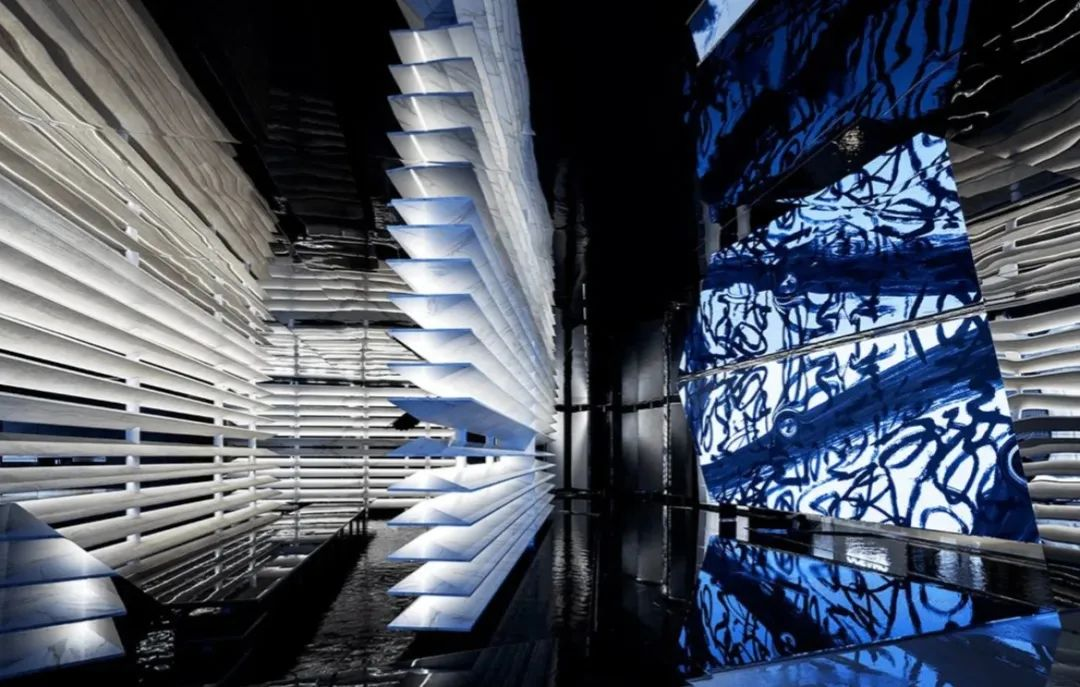
Techniques for Effective Background Lighting
Several practical methods are commonly used to achieve subtle background lighting:
Wall Washes: Wide, even beams cast on vertical surfaces to create visual continuity.
Indirect Bounce: Using ceilings or walls to reflect soft light for ambient lift.
Edge Gradients: Feathered LED strips or dimmable bars to create low-key backgrounds.
Layered Color Temperatures: Mixing warm and cool tones in the backplane to achieve emotional nuance.
All of these techniques prioritize non-intrusiveness—lighting that exists to shape, not dominate.
When “Nothing” is Something
The most powerful uses of background lighting are often the least noticeable. An audience rarely comments on a subtle violet haze behind a speaker or a soft amber glow behind an orchestra. But without them, the entire composition might feel empty or ungrounded.
It’s this invisible contribution that defines the power of background lighting. It’s less about being seen, and more about what it makes visible.
READ MORE: