In today’s fast-paced live production environments, lightweight trussing systems are increasingly used for mobile setups, small stages, pop-up events, and venues with strict weight limits. These compact aluminum trusses allow for quick rigging and teardown, but they also impose serious constraints on what can be safely hung from them—especially moving head fixtures.
This article explores best practices, safety concerns, and product recommendations for safely mounting moving heads on lightweight trusses—without compromising performance or compliance.
The Challenge of Load Capacity in Lightweight Structures
Lightweight trusses, typically made from 35mm or 50mm aluminum tubing, are favored for their portability. However, they are often designed for lighter static loads such as par cans, LED battens, or small effect lights. Mounting traditional moving heads on these trusses can lead to:
Structural deformation or collapse
Unstable movement due to torque or vibration
Risk of fixture detachment if improperly secured
Violation of local safety codes or engineering limits
Understanding load distribution, point load vs distributed load, and the center of gravity of your fixture is essential before selecting your gear.
Choosing the Right Fixtures: Size and Weight Matter
When selecting moving heads for lightweight trusses, priority should be given to compact, lightweight models that still offer powerful visual impact. Two such fixtures stand out:
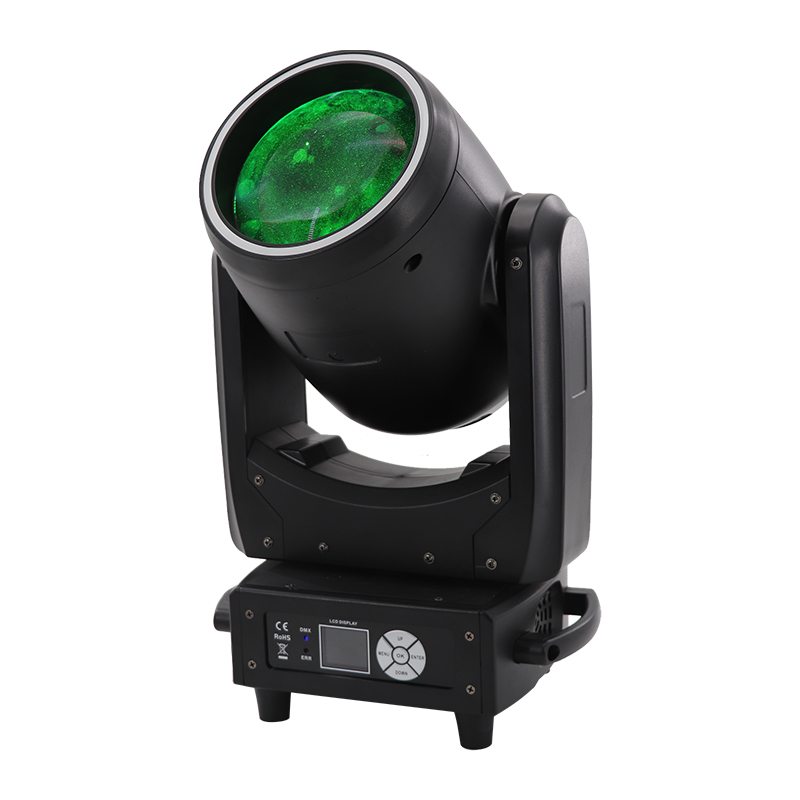
1. Mini 80W LED Beam Moving Head
The Mini 80W LED Beam Moving Head is ideal for scenarios where every kilogram counts. Weighing significantly less than traditional fixtures, it provides sharp, high-output beams and eye-catching halo effects, all in a compact housing.
Ideal for DJ truss arches, mobile setups, or rental kits
Integrated halo ring adds ambient accent without extra weight
Can be mounted with lightweight clamps due to reduced footprint
In productions using the Mini 80W LED Beam Moving Head, users consistently report smoother rotation, easier balancing, and simpler cable management. Its modest power draw also avoids overloading smaller power distribution systems often paired with lightweight truss designs.
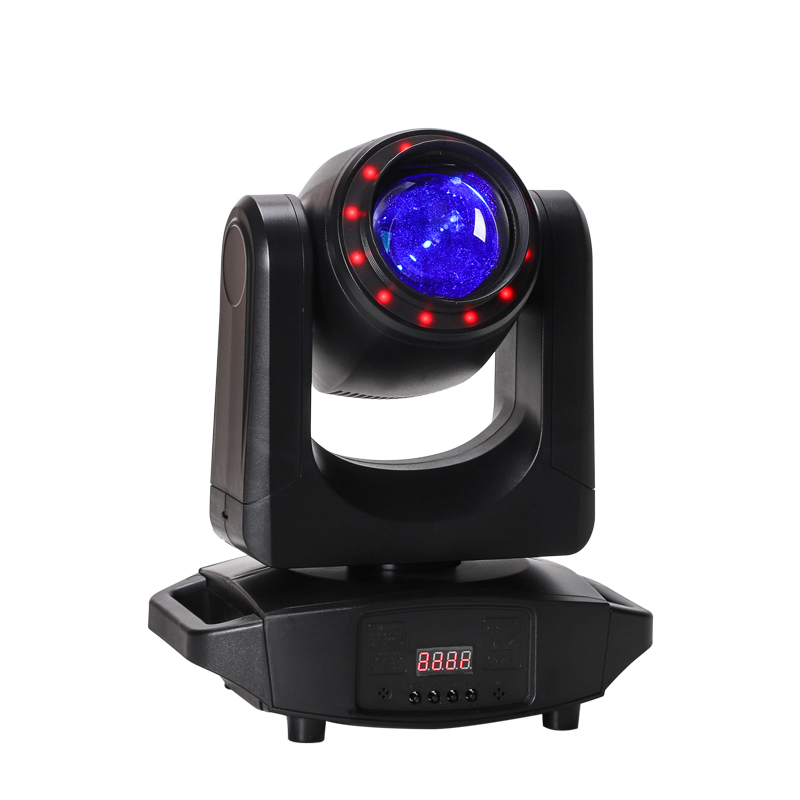
2. 150W LED Beam Moving Head with Halo
For designers seeking a balance between intensity and safety, the 150W LED Beam Moving Head with Halo offers a stronger punch without exceeding rigging tolerances.
Slightly larger but still within the safe hanging threshold of 50mm trusses
Halo effect enhances presence in wide-open or minimal lighting designs
Compatible with standard G-clamps and mini couplers
Thanks to its stable build and moderate weight, the 150W LED Beam Moving Head with Halo performs well even during aggressive pan/tilt sequences on minimal support. Its design lowers stress on the mounting hardware, reducing fixture sway and minimizing truss flex during shows.
Mounting Best Practices for Lightweight Truss Use
Whether you're working in a wedding venue with low ceilings or an exhibition booth with structural restrictions, follow these protocols for safe mounting:
Know Your Truss Ratings
Check the manufacturer’s documentation for maximum load per span and point load limits. Ensure any single fixture does not exceed these values.Use Correct Clamps
For both the Mini 80W LED Beam Moving Head and 150W LED Beam Moving Head with Halo, lightweight aluminum G-clamps or mini couplers with rated locking pins are recommended.Position Fixtures Near Vertical Supports
Whenever possible, mount fixtures near upright legs or nodes of triangle trusses to minimize bending moments.Secure Safety Cables
Always use rated safety cables, looped through dedicated eyelets on the moving head and securely fastened to the truss chord—not the clamp.Distribute Weight Evenly
Avoid clumping multiple heads in a single spot. Space your Mini 80W LED Beam Moving Head fixtures evenly to maintain structural balance.
Vibration and Dynamic Load Considerations
Even if your truss seems stable when static, moving heads generate dynamic loads that can cause long-term fatigue or failure. This is especially true for compact systems where any motion is amplified.
Use slow-to-medium pan/tilt speeds in programming
Add rubber isolation washers between clamps and fixture yokes
Limit rapid effect transitions that induce torque
Users of the 150W LED Beam Moving Head with Halo benefit from its balanced motor torque and housing geometry, which reduce jitter and swinging in lighter setups.
Safety Compliance and Touring Considerations
Different countries and venues impose varied rigging standards. When building a touring rig that will utilize lightweight trusses, ensure:
Fixtures are CE/RoHS certified or meet local compliance
Rigging plans are approved by structural engineers
Your team carries portable load cells or digital dynamometers to verify on-site loads
Lightweight doesn’t mean lax: using compact gear like the Mini 80W LED Beam Moving Head ensures your kit meets both creative and legal standards.
READ MORE:



Blue Sea Lighting is an enterprise with rich experience in the integration of industry and trade in stage lighting and stage special effects related equipment. Its products include moving head lights, par lights, wall washer lights, logo gobo projector lights, power distributor, stage effects such as electronic fireworks machines, snow machines, smoke bubble machines, and related accessories such as light clamps.
Quick Links
For more questions subscribe to our email