When budgeting for stage lighting systems, it’s tempting to focus only on the unit price. But the true cost of procurement often lies beneath the surface. From logistics complications to international payment risks, these hidden costs can quietly undermine your profit margins or delay your production schedule.
In this article, we’ll uncover the most common hidden costs in lighting procurement—and how to sidestep them like a pro.
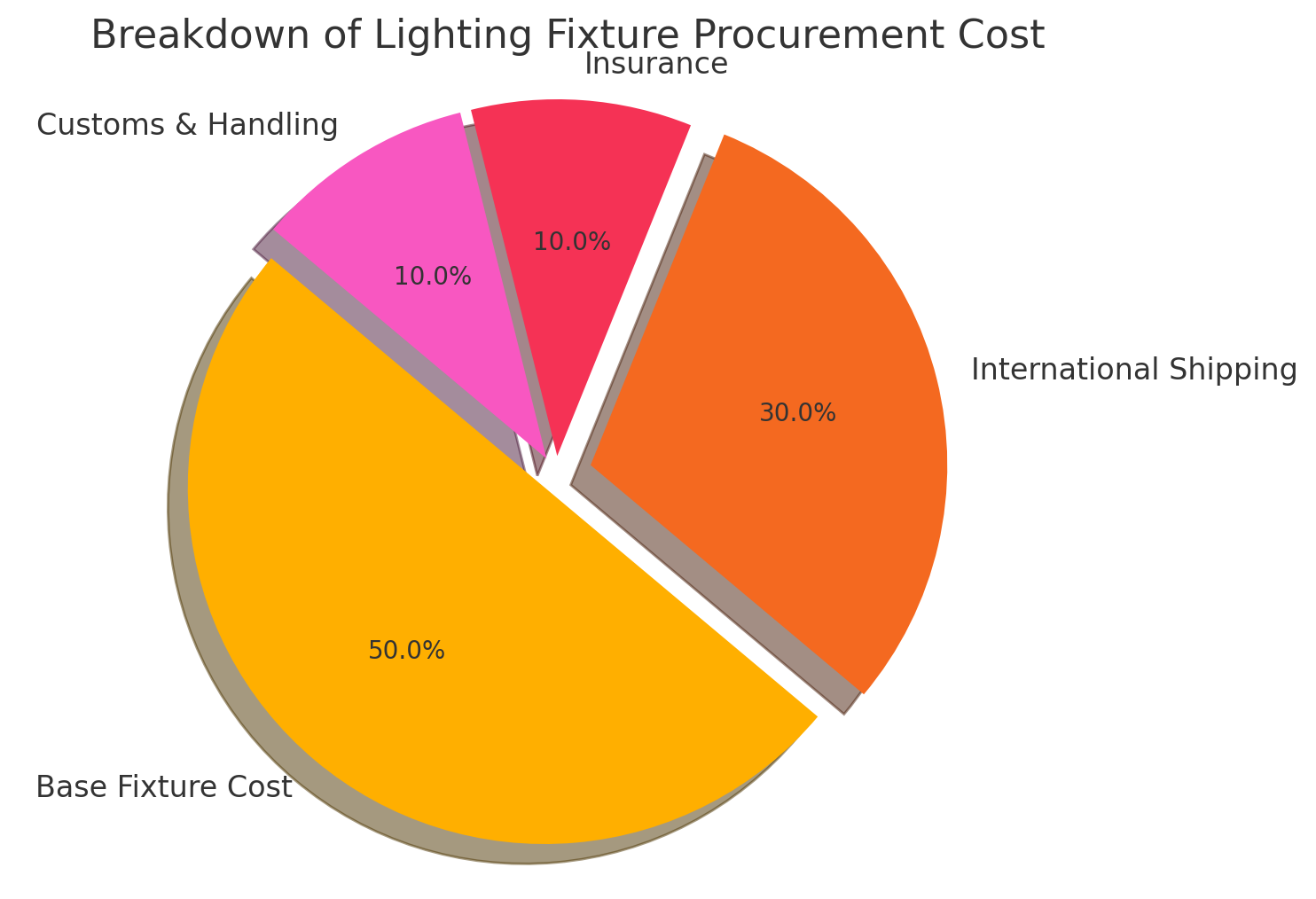
1. Shipping and Insurance: More Than Just a Line Item
Shipping fees vary widely based on volume, destination, and urgency. However, what’s often overlooked are:
Dimensional weight pricing (not just kilograms)
Port surcharges and customs clearance service fees
Insurance premiums, especially for high-value LED fixtures
For example, a $150 LED PAR light may incur $80 in international freight, plus $20 in insurance—a 67% increase.
Pro Tip: Always request an all-inclusive DDP (Delivered Duty Paid) quote before finalizing your order.
2. Currency Exchange and Bank Charges
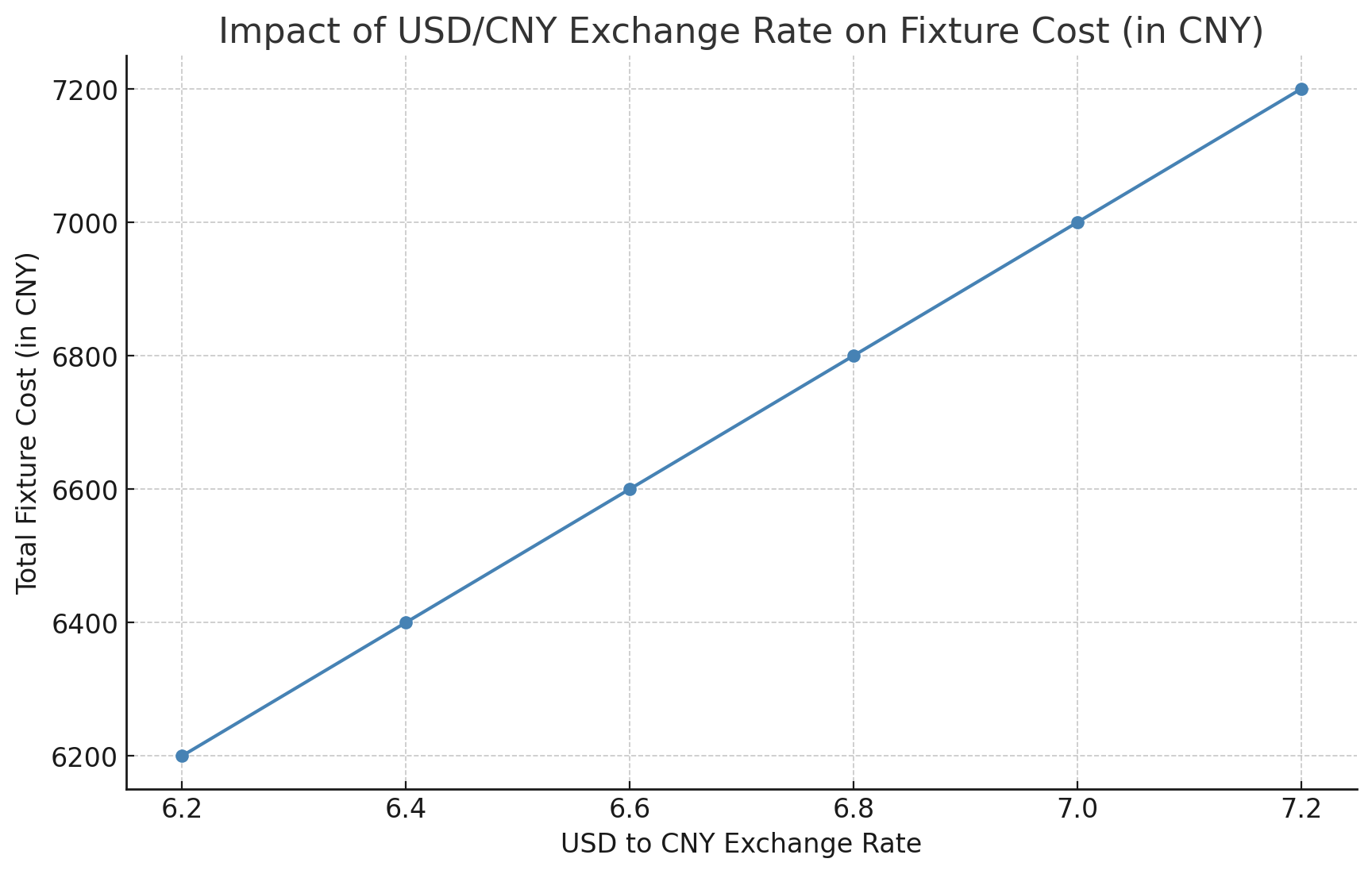
If you're paying in USD, EUR, or CNY from a local currency, even a 2% shift in exchange rate can significantly alter your costs. Banks may also:
Using the wrong timing or method (e.g. urgent TT vs. batching payments) adds up over multiple orders.
📉 Example Chart Suggestion:
“Multi-Currency Payment Risk for Lighting Buyers” – show impact of USD/CNY fluctuations on total cost.
3. Installation Accessories Not Included
Many lighting fixtures are shipped without:
Clamps, safety cables, or DMX connectors
PowerCON cables (sometimes even power inlets are excluded)
Control dongles or remote units for configuration
Missing accessories can delay setup by days—and local replacements might be overpriced.
4. Inadequate Power Compatibility
Fixtures rated for 110V shipped to a 220V region? Or vice versa?
Even minor incompatibility can damage internal drivers or render warranties void.
Always verify:
Voltage range (90–240V or region-specific)
Plug type and wiring standard
Whether a power adapter or step-down transformer is required
5. Customs, Duties, and Import Broker Fees
When importing from overseas:
Customs clearance may require HS codes, CE/UL certifications, and detailed invoice breakdowns
Duties on LED lights can range from 3% to 20% depending on country
Broker handling fees often charged per shipment
Some forwarders don’t alert you until after cargo arrives—resulting in warehouse fees or clearance delays.
6. Service Response Time and Spare Parts Access
Low-cost suppliers often save on service infrastructure. The result?
Delayed response times (>72 hours)
No clear RMA (Return Merchandise Authorization) process
Lack of in-stock spare parts
This means one failed driver or fan could put your entire tour schedule at risk.
7. Overlooked Software Licensing or Console Compatibility
Some fixtures require:
Dedicated software for full functionality (especially pixel-mapped fixtures)
Paid upgrades to work with certain protocols (e.g., Art-Net, sACN)
Firmware updates that are region-locked or restricted
Without planning for this, tech rehearsals may be derailed or require expensive third-party solutions.
8. Poor Documentation or Missing Certifications
Missing or incomplete user manuals, DMX charts, or CAD drawings slow down programming and rigging.
Also beware of missing:
If your local regulations require this, importing non-certified products may lead to fines or seizure.
9. Post-Sale Training and Support Costs
How intuitive is the fixture?
Will your team need vendor training to set up advanced functions like zoom, pixel effects, or RDM configuration?
Consider:
Time required for manual setup
Cost of video tutorials or remote support
Whether vendor provides after-sale tech onboarding
10. Warranty That’s Only “On Paper”
A two-year warranty is meaningless if:
Shipping back to the supplier costs more than the product
No replacement units are provided in advance
Vendor won’t share component-level repair guides
Solution: Choose suppliers with local partners or transparent after-sales policy.
READ MORE: