Introduction
Modern stage lighting relies on far more than power and brightness—it demands precision, coordination, and adaptability. This is where lighting control protocols come into play. Among the most widely adopted technologies in professional lighting systems are DMX, Art-Net, and RDM. Together, these three protocols enable lighting designers and technicians to build intelligent networks of fixtures that are flexible, efficient, and remotely manageable.
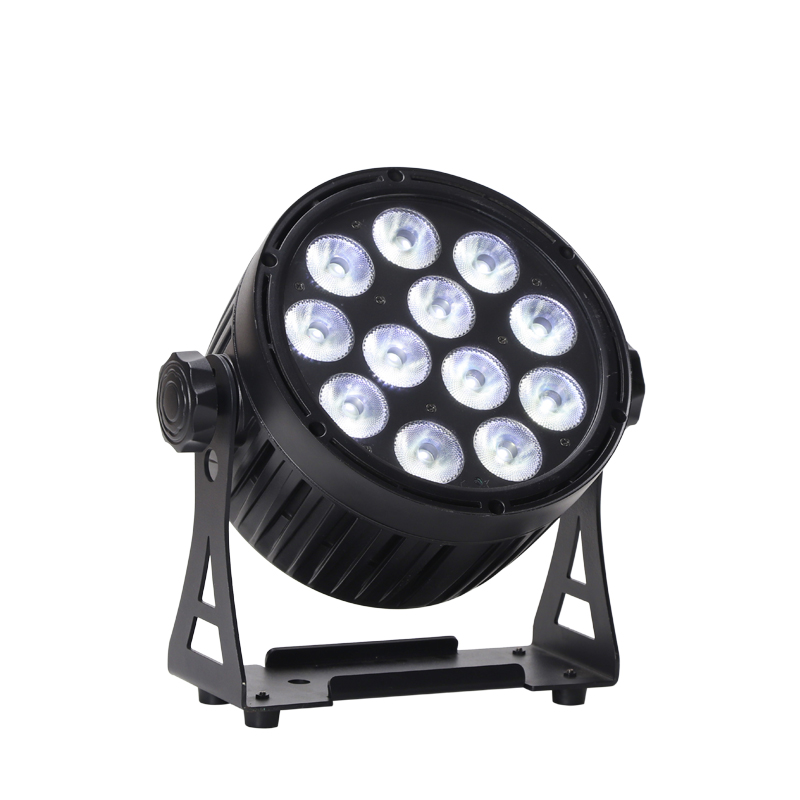
In this article, we will explore the foundational differences and collaborative roles of these protocols in a professional setup. We’ll also introduce a real-world, highly compatible product—the Waterproof 12x18W RGBWA+UV Battery Wireless LED Par Light—to demonstrate how these systems can work seamlessly in demanding environments.
1. Understanding the DMX Protocol
What is DMX?
DMX512 (Digital Multiplex 512) is a standard for digital communication networks used to control lighting and effects. It was originally developed in the 1980s and remains a staple for controlling stage lighting systems globally.
Key Features:
Point-to-point protocol over 5-pin (or 3-pin) XLR cables
Controls up to 512 channels per universe
Ideal for dimming, color control, pan/tilt, and strobe commands
Supports simple chaining of devices
A DMX-Controlled LED Par Light, like the Waterproof 12x18W RGBWA+UV Battery Wireless LED Par Light, typically uses 6 to 18 DMX channels to manage its color, brightness, strobe, and macro effects. With a stable DMX signal, designers can create precise lighting cues for theatrical productions, concerts, or installations.
2. Art-Net: DMX Over IP
What is Art-Net?
Art-Net is a communication protocol developed by Artistic Licence that transports DMX512 data over an Ethernet network using the UDP protocol. It solves one of the biggest limitations of DMX: scalability.
Advantages:
Transmits multiple DMX universes simultaneously
Leverages standard Cat5e/6 cables and Ethernet routers
Integrates with software consoles and lighting visualizers
Reduces cable clutter in large venues
In systems using the Art-Net Lighting Control System, you can manage hundreds of fixtures, including multiple DMX-Controlled LED Par Light units, from a central console with real-time visual feedback. It’s a foundational part of lighting networks in theme parks, stadiums, and broadcast studios.
3. RDM: Remote Device Management
What is RDM?
RDM (Remote Device Management) is an extension of the DMX512 protocol that allows bidirectional communication between a controller and connected fixtures. This means lighting engineers can both send commands and receive feedback without manually accessing each fixture.
Use Cases:
Assigning DMX addresses remotely
Monitoring fixture status (temperature, voltage, errors)
Updating firmware over DMX lines
Diagnosing fixture failures
The Waterproof 12x18W RGBWA+UV Battery Wireless LED Par Light is an excellent example of an RDM-Compatible Stage Fixture. It allows technicians to configure and troubleshoot lights from a centralized location, which is invaluable for inaccessible or outdoor rigs.
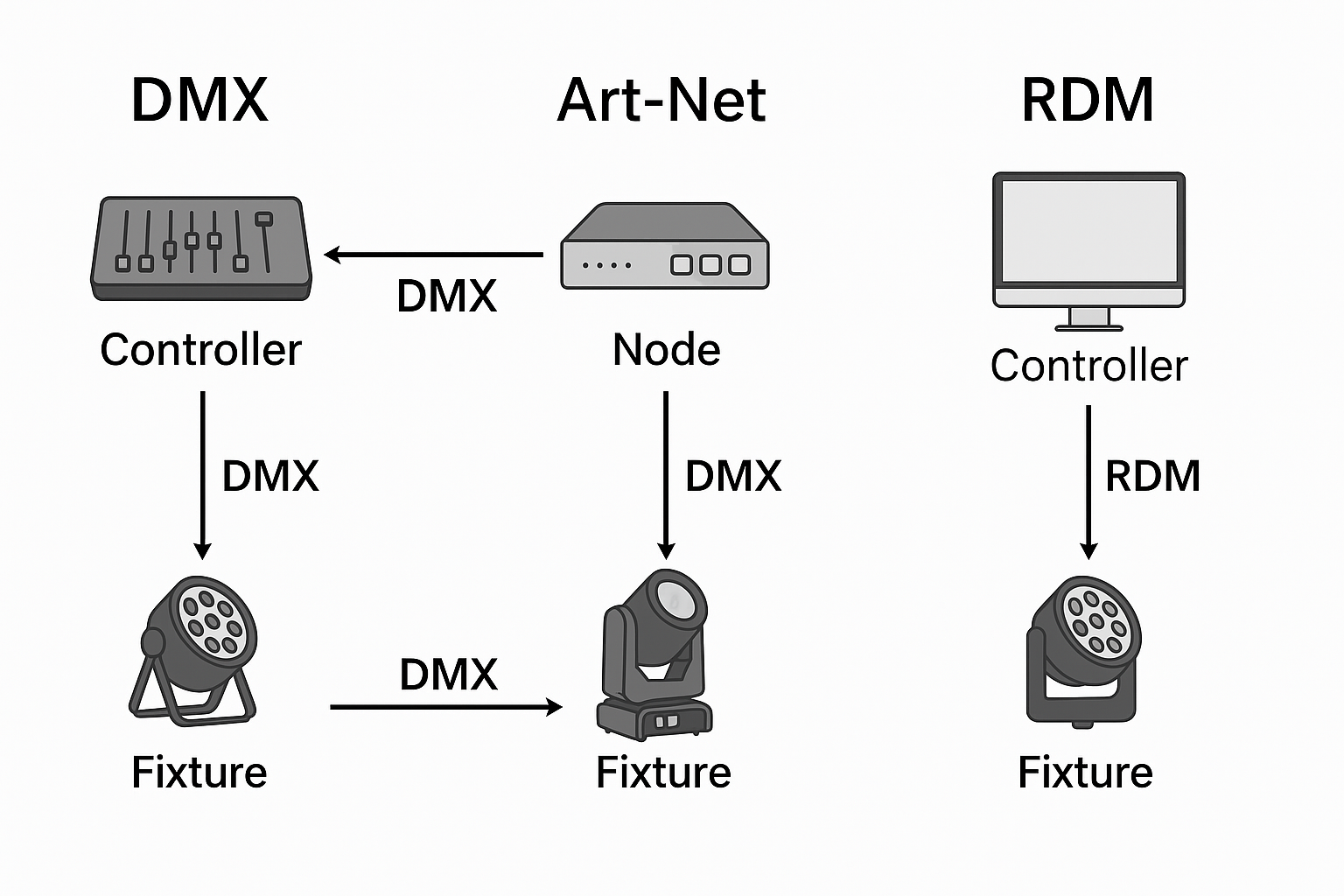
4. How the Three Work Together
These protocols are not mutually exclusive. In fact, the most robust lighting systems use all three in concert.
| Protocol | Role | Layer |
|---|---|---|
| DMX | Fixture-level control | Fixture-to-fixture wiring |
| Art-Net | High-level network management | Controller-to-node routing |
| RDM | Feedback and remote device configuration | Diagnostics and patching |
By using an Art-Net Lighting Control System as the backbone, engineers route multiple DMX-Controlled LED Par Light signals to nodes or splitters. Meanwhile, RDM-Compatible Stage Fixture units respond to diagnostic queries, allowing for easy system tuning before and during the show.
5. Case Study: Festival-Scale Outdoor Rig
At a recent 3-day outdoor festival, 60 units of Waterproof 12x18W RGBWA+UV Battery Wireless LED Par Light were deployed across five stages and site installations.
Network Setup:
Art-Net used for central console routing across the festival site
DMX512 signal split from Art-Net nodes to each fixture cluster
RDM used to set DMX addresses, monitor signal strength, and check battery levels remotely
Benefits achieved:
Reduced cabling by over 60%
Cut setup time from 2 days to 8 hours
Detected 3 faulty cables via RDM before soundcheck
Synced color fades across all stages with millisecond accuracy
This demonstrates the power of integrating a DMX-Controlled LED Par Light into a scalable Art-Net Lighting Control System supported by RDM-Compatible Stage Fixture logic.
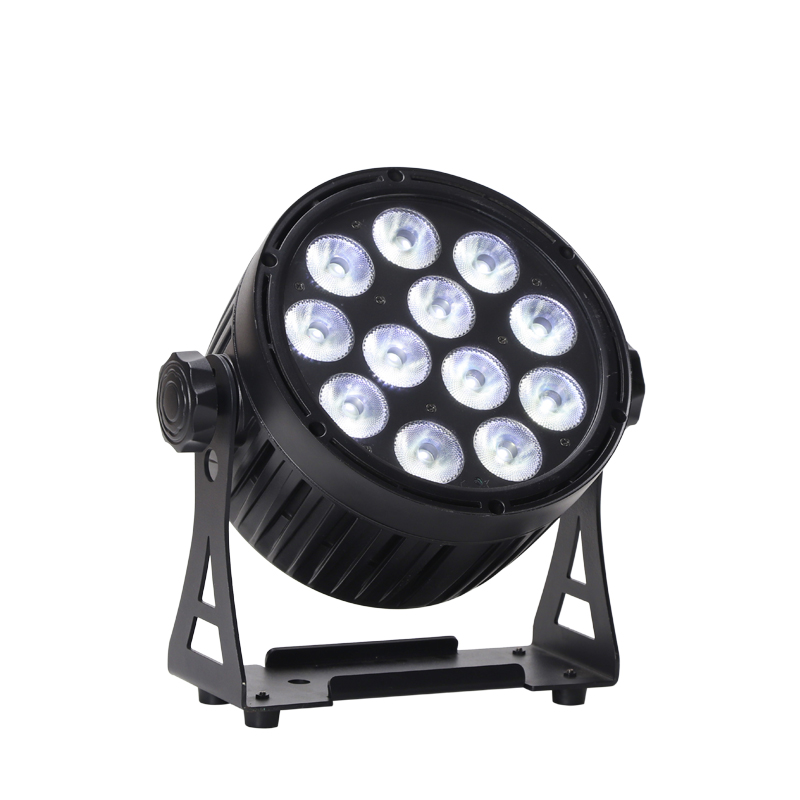
6. Product Feature Spotlight: Waterproof 12x18W RGBWA+UV Battery Wireless LED Par Light
This fixture is engineered for maximum compatibility, mobility, and intelligence.
Technical Specs:
LEDs: 12 x 18W RGBWA+UV (6-in-1)
Protocols: DMX512, Wireless DMX, RDM compatible
Housing: IP65 waterproof aluminum build
Power: Internal battery with 6–10 hours runtime
DMX Channels: 6/10/12/14 CH options
Control Modes: DMX, Auto, Master-Slave, Sound-active
Why It Excels:
As a DMX-Controlled LED Par Light, it integrates seamlessly with basic and advanced control boards
As part of an Art-Net Lighting Control System, it responds instantly via wireless receivers or DMX converters
As an RDM-Compatible Stage Fixture, it provides vital diagnostic and configuration support for large-scale events
Its design philosophy supports long-term deployment, outdoor use, and mobile event applications—making it a top-tier intelligent lighting solution.
7. Best Practices for Protocol-Based Lighting Deployment
To fully harness the synergy of DMX, Art-Net, and RDM:
Use DMX terminators on long chains to avoid signal reflections
Isolate Art-Net networks from public IP traffic to prevent interference
Enable RDM selectively—too many devices polling can introduce latency
Label universe maps clearly, especially with multiple stages or zones
Use battery + wireless options where AC access is limited
The Waterproof 12x18W RGBWA+UV Battery Wireless LED Par Light supports all of these practices through flexible hardware and intuitive software compatibility.
Conclusion
The future of professional lighting lies in smart integration. By mastering DMX for direct control, Art-Net for network management, and RDM for remote feedback, lighting designers and engineers can create powerful, adaptive systems that deliver under pressure.
Fixtures like the Waterproof 12x18W RGBWA+UV Battery Wireless LED Par Light stand at the intersection of these three protocols. They prove that with the right hardware, every show can be precise, responsive, and efficient—whether indoors, on tour, or under the open sky.
When selecting equipment for your next production, look beyond brightness—seek fixtures that speak DMX, route through Art-Net, and respond via RDM. That’s the language of tomorrow’s stage.
READ MORE:



Blue Sea Lighting is an enterprise with rich experience in the integration of industry and trade in stage lighting and stage special effects related equipment. Its products include moving head lights, par lights, wall washer lights, logo gobo projector lights, power distributor, stage effects such as electronic fireworks machines, snow machines, smoke bubble machines, and related accessories such as light clamps.
Quick Links
For more questions subscribe to our email