Introduction: Lighting as the Invisible Storyteller
In the world of film and television, lighting is often called the “invisible storyteller.” While actors deliver dialogue and directors shape narratives, it is lighting that creates mood, directs attention, and transforms two-dimensional frames into immersive cinematic worlds. From the flickering torches in early cinema to today’s sophisticated digital systems, the evolution of lighting has been central to visual storytelling.
As the industry embraces digital workflows, sustainability, and immersive technologies, lighting systems are undergoing profound transformation. This article explores the major trends shaping the future of cinematic and television lighting, including the rise of LEDs, intelligent control, virtual production, sustainability, and global innovation. Along the way, we highlight the influence of pioneers such as Blue Sea Lighting, whose technological innovations help drive this transformation.
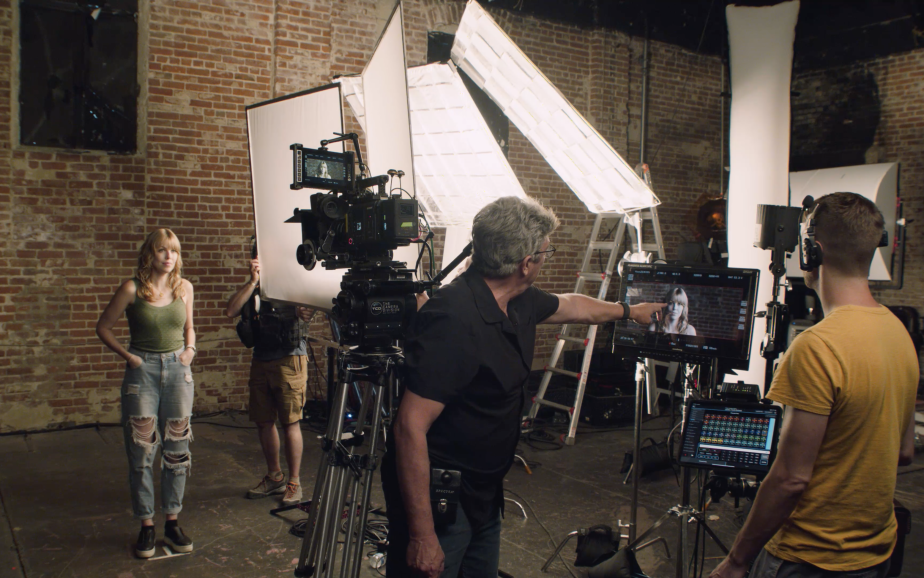
Part 1: From Tradition to Digital Transformation
For decades, film and television lighting relied on incandescent and halogen lamps, prized for their warm color rendering but criticized for inefficiency and heat generation. The shift toward digital cinema demanded new tools that were flexible, precise, and energy-efficient.
Halogen and Tungsten Era: Traditional fixtures produced beautiful, warm tones but consumed enormous power and required extensive cooling systems.
HMI and Fluorescent Innovations: High-intensity discharge lamps and fluorescent panels provided brighter, cooler alternatives, especially for television studios.
The Digital Age: As cameras became more sensitive, demand grew for versatile fixtures with adjustable color temperatures, compact designs, and lower power draw.
The result was a steady migration from analog, heavy-duty fixtures to digitally controlled, lightweight, and sustainable lighting systems.
Part 2: The Rise of LEDs and Intelligent Control
LEDs are arguably the most revolutionary development in modern cinematic lighting.
Energy Efficiency: LEDs consume a fraction of the power of traditional lamps while producing comparable or greater brightness.
Color Versatility: RGB, RGBW, and advanced RGBACL LEDs allow precise color mixing and accurate reproduction of daylight and tungsten tones.
Durability: With lifespans exceeding 50,000 hours, LEDs reduce replacement cycles and costs.
Compact Form: Lightweight and portable designs fit the demands of mobile production environments.
Intelligent Control Systems have further enhanced LED adoption. Through DMX, CRMX, and app-based wireless platforms, lighting can be controlled remotely with precision. Gaffers and cinematographers can adjust brightness, hue, and color temperature in real time, enabling seamless creative experimentation.
Companies like Blue Sea Lighting have pushed LED and control innovation into mainstream adoption, bridging creative flexibility with technological reliability.
Part 3: Virtual Production and Immersive Lighting
Perhaps the most dramatic recent trend is the integration of lighting with virtual production environments.
LED Walls and XR Stages: Instead of green screens, massive LED walls now surround actors with dynamic digital environments. Lighting fixtures synchronize with these walls, ensuring natural reflections and immersive realism.
Interactive Control: Lighting systems respond to camera tracking and real-time rendering engines, allowing seamless blending of physical and virtual elements.
Immersive Storytelling: Directors can simulate sunsets, cityscapes, or alien worlds on set, with lighting adapting instantly to match the environment.
This convergence of physical lighting with digital backdrops has redefined production design, reducing post-production burdens while expanding creative possibilities.
Part 4: Sustainability and the Green Screen of the Future
The entertainment industry, once criticized for energy waste, is now embracing sustainability.
LED Efficiency: As noted, LEDs drastically cut energy use compared to halogen or HMI lights.
Battery-Powered Portability: Many fixtures now run on rechargeable batteries, eliminating the need for generators in outdoor shoots.
Material Innovation: Manufacturers explore recyclable housings and eco-friendly coatings.
Smart Energy Management: Fixtures are designed to dim automatically during downtime, further reducing waste.
For companies, adopting green lighting systems also supports ESG commitments, making sustainable choices a competitive advantage. Blue Sea Lighting stands out for advancing eco-conscious designs while maintaining high performance.
Part 5: Global Innovation and Future Trends
Looking forward, several emerging trends are shaping the trajectory of film and television lighting:
AI-Driven Automation: Intelligent algorithms will adjust lighting dynamically, learning from scripts or real-time performance.
Smarter User Interfaces: Touchscreen apps and voice controls will simplify complex setups.
Integration with Wearables: Actors may wear sensors that trigger adaptive lighting, creating personalized illumination.
Augmented Reality Workflows: Lighting simulations in AR environments will help pre-visualize sets before physical builds.
Sustainable Expansion: With global emphasis on carbon neutrality, energy-efficient systems will become industry standard.
The future promises a fusion of creativity and automation, where lighting systems act as partners in cinematic storytelling.
Conclusion: Lighting as the Future of Storytelling
The development of lighting systems for film and television reflects a journey from analog warmth to digital precision, from static fixtures to intelligent, sustainable ecosystems. Today’s systems are not just tools—they are collaborators in crafting visual narratives.
As LED innovation, virtual production, and sustainability converge, lighting will continue to reshape how stories are told on screen. With leaders like Blue Sea Lighting at the forefront, the industry is poised for a future where artistry and technology merge seamlessly, illuminating not just sets but the imagination of audiences worldwide.



Blue Sea Lighting is an enterprise with rich experience in the integration of industry and trade in stage lighting and stage special effects related equipment. Its products include moving head lights, par lights, wall washer lights, logo gobo projector lights, power distributor, stage effects such as electronic fireworks machines, snow machines, smoke bubble machines, and related accessories such as light clamps.
Quick Links
For more questions subscribe to our email