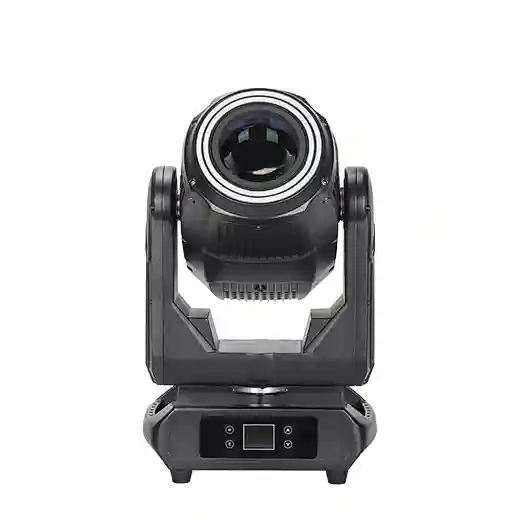
Stage lighting fixtures with waterproof ratings — such as IP65 or higher — are designed to perform in outdoor environments, enduring rain, dust, and humidity. However, verifying their waterproof integrity, especially for rentals, resale, or post-shipping inspections, requires care. Improper testing can result in irreversible water damage, voided warranties, or personal injury.
This article outlines safe, controlled methods to test waterproof fixtures without risk, offering a practical guide for technicians, rental managers, and integrators.
Why Waterproof Testing Matters
Even with factory IP certification, several factors can compromise a fixture’s waterproof integrity:
Shipping impact or vibration loosening seals
Improper reassembly after service
Long-term use in harsh conditions degrading gaskets
Manufacturing tolerances on mass-produced units
Testing waterproof fixtures ensures safety and reliability before deploying them in moisture-prone venues, festivals, or architectural installs.
Understanding IP Ratings
The Ingress Protection (IP) rating is a two-digit code:
First digit = protection against solids (0–6)
Second digit = protection against liquids (0–8)
| IP Rating | Liquid Protection Level | Typical Application |
|---|---|---|
| IP54 | Splashing water | Light outdoor use |
| IP65 | Water jets from all directions | Common in event and touring lights |
| IP66 | Strong jets and dust-tight | Harsh environments (tours, architecture) |
| IP67 | Submersion up to 1m (30 min) | Temporary water immersion only |
Important: IP-rated fixtures are not designed for pressure-washing or full immersion unless specifically certified.
Pre-Test Checklist
Before applying water in any form, follow this checklist:
Inspect housing for visible cracks, loose panels, or cable glands
Verify all caps and connectors are sealed or terminated
Avoid testing with power connected — test with fixture unplugged unless otherwise required by test method
Check warranty conditions for approved testing methods
Use clean, room-temperature water only
This helps prevent unnecessary damage and isolates potential faults before testing.
Safe Testing Methods (No Damage Risk)
1. Water Spray Test (Low-Pressure)
Simulates rain or mist using a handheld spray bottle or gentle hose.
Spray evenly from a distance of 1–2 meters
Target all seams, connectors, and display panels
Spray for 2–3 minutes per side, wait 10 minutes, then open for inspection
Ideal for IP65 fixtures.
2. Drip Simulation Test
Suspend a bottle or small tank with a controlled leak above the fixture.
Used to simulate vertical rain for IPX4–IPX5 validation
Run for 15–20 minutes with consistent drip rate
Ensure fixture is not powered during exposure
3. Humidity Chamber (Non-liquid)
Use a heated chamber or covered space with elevated humidity.
Simulates condensation and enclosure vapor stress
Useful for identifying internal seal failure over time
No water contact, but helpful for long-term evaluation
4. IP Dust and Seal Integrity Check
Though not involving liquid, this test uses fine particulate like talcum powder or dry fog to assess housing tightness prior to water testing.
Controlled Indoor Test Setup Example
| Component | Purpose |
|---|---|
| Waterproof tray | Collects water runoff from tests |
| Tripod sprayer | Enables fixed, even spray angles |
| Insulating mat | Prevents contact with conductive surfaces |
| Temperature sensor | Optional — checks thermal rise after sealing |
| Silicone gloves | For handling wet fixtures safely |
This type of setup is inexpensive and scalable for small rental operations.
What to Avoid During Testing
High-pressure hoses or jets — unless IP66+ and specifically rated
Submersion — unless fixture is explicitly IP67 or IP68
Testing while powered — risk of short circuits or component stress
Household detergents or solvents — may degrade rubber seals
Sunlight + water spray simultaneously — may cause microcracking on lenses
Always test in shade, room-temperature conditions to avoid material stress.
Post-Test: How to Inspect and Respond
After testing:
Dry the surface with a microfiber cloth
Check for water residue inside lens, display, or base
Open access panels to inspect for moisture near drivers or fans
Sniff test — burning smells may indicate damage
Log the result and date, especially for rentals or inventory units
If minor water ingress is detected, immediately:
Remove power
Dry unit with desiccant packs or in a ventilated area
Notify the supplier or service technician for re-sealing
Maintenance Tip: Routine Seal Checks
Waterproof fixtures should undergo seal inspection:
Every 3–6 months in high-use or outdoor conditions
After each tour leg for road shows
Post-repair before reinstalling in humid environments
Replace damaged O-rings, gasket foam, or cracked cable glands proactively to prevent ingress over time.
Conclusion
Testing waterproof fixtures is a necessary part of quality control — but it must be done safely. By using controlled low-pressure methods, inspecting carefully before and after testing, and avoiding high-risk behaviors, technicians can verify fixture integrity without risking damage or voided warranties.
A properly tested waterproof fixture delivers peace of mind, safety on stage, and long-term reliability in any weather.
READ MORE:
READ MORE:
- Museum Lighting Revamp With Zero Fixture Downtime
- Choosing Between Fixture Power Ratings for Long-Term ROI
- How Pixel Resolution Impacts Beam Mapping Effects
- Fantasy-Themed Event Lighting Using Color Filters
- Long Cable Runs Killing Your Signal? Go Wireless
- Top 5 Road-Tested Touring Lights for 2025
- Best Wall Wash Fixtures for Museum and Gallery Lighting



Blue Sea Lighting is an enterprise with rich experience in the integration of industry and trade in stage lighting and stage special effects related equipment. Its products include moving head lights, par lights, wall washer lights, logo gobo projector lights, power distributor, stage effects such as electronic fireworks machines, snow machines, smoke bubble machines, and related accessories such as light clamps.
Quick Links
For more questions subscribe to our email