Stage lighting has always balanced power, flexibility, and logistics. As tours grow more complex and venues demand more visual variety, lighting designers face a critical question: How do we do more with fewer fixtures?
Enter the All-In-One Fixture Architecture — a design philosophy that combines beam, spot, and wash functionality into a single, unified moving head. These hybrid systems are transforming how lighting rigs are built, programmed, and deployed across concerts, theaters, and large-scale events.
What Is an All-In-One Fixture?
An all-in-one fixture, sometimes called a hybrid moving head, is a lighting unit capable of delivering multiple functions such as:
Sharp beam effects (tight angles, long throw)
Spot projection (gobos, texture, animation wheels)
Wash floods (soft edges, color coverage)
Often: CMY color mixing, zoom, frost, and prisms
Instead of deploying three separate units (one for each function), designers can cover all bases with a single integrated fixture.
Why the Shift to All-In-One Designs?
1. Space-Saving Efficiency
All-in-one fixtures reduce:
Rigging hardware
Case footprint in freight
Load-in and load-out labor
One unit can perform three roles, which is invaluable for touring shows, small venues, or corporate stages with space constraints.
2. Programming Streamlining
Operators no longer need to juggle multiple DMX profiles or patch separate spot/wash fixtures. A unified system simplifies:
Scene transitions
Chase programming
RDM/Art-Net addressing
3. Lower Long-Term Costs
While upfront cost may be higher, total ownership costs fall due to:
Fewer cables and accessories
Reduced replacement inventory
Less power draw in some models
Easier maintenance and transport
How the Technology Evolved
Early hybrids struggled to balance beam sharpness with wide wash fields. But recent innovations — including motorized zoom lenses, high-output LED modules, and rotating framing shutters — have enabled true parity between modes.
Top-tier fixtures now include:
Seamless transition between modes
Multi-layer gobo effects
Auto-focus across zoom ranges
IP65-rated housings for outdoor flexibility
Use Cases Where All-In-One Fixtures Shine
| Application | Benefit of All-in-One Use |
|---|
| Concert Touring | Fewer units = lighter rig, lower truck cost |
| Theater & Dance | Frame effects, subtle texture + rich color from 1 fixture |
| Corporate Events | Quick setup, flexible effects for varied content |
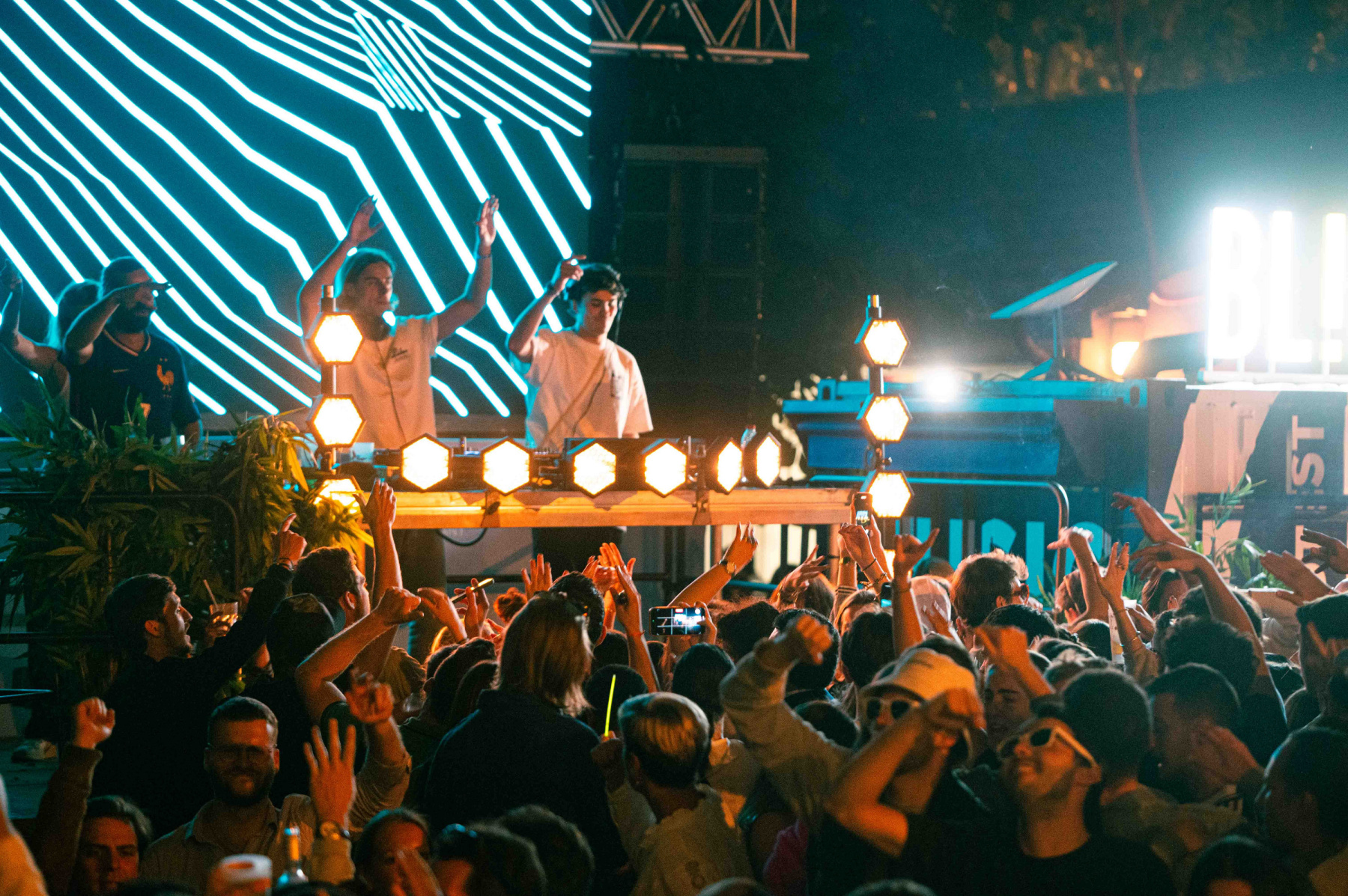
| Nightclubs | Sharp beam + wash overlays for dynamic DJ transitions |
| Outdoor Festivals | Rugged IP-rated hybrids handle unpredictable weather |
These fixtures enable adaptability across show types without needing physical rig swaps.
All-In-One vs Modular Systems
| Feature | All-In-One Fixture | Modular System (Separate Units) |
|---|
| Initial Investment | High | Medium |
| Flexibility | Very High | High (if enough units available) |
| Redundancy | Lower (1 unit = 1 failure) | Higher |
| Programming | Simplified | More complex |
| Setup Time | Shorter | Longer |
| Rigging Footprint | Smaller | Larger |
Key takeaway: If minimizing complexity and maximizing versatility are priorities, all-in-one fixtures deliver — but consider backup strategies for mission-critical roles.
Industry Momentum and Adoption
The rise of hybrid architecture is reflected in:
Product launches from major manufacturers focusing on beam/spot/wash integration
Festival stages worldwide switching to 3-in-1 or 4-in-1 heads to speed setup
Theater companies choosing all-in-one units to fit complex cue sheets with fewer lights
Rental houses investing in hybrid fleets to reduce inventory management
These shifts point to a future where lighting systems are leaner but more expressive.
Conclusion
The era of single-function fixtures isn’t over, but the momentum is clear: All-in-one fixture architectures offer unmatched versatility, cost-efficiency, and creative control.
For productions seeking high impact with minimal infrastructure, these hybrid systems represent the next evolution in lighting design — one where adaptability is built into every head, and no effect is out of reach.
READ MORE: