In the realm of stage lighting and production technology, research and development (R&D) is critical for pushing boundaries and creating more immersive, adaptive, and cost-efficient solutions. Collaborating with performing arts schools presents a unique and often underutilized opportunity to fuel innovation, especially when resources, creativity, and real-world testing conditions converge.
A Symbiotic Relationship of Creativity and Experimentation
Performing arts schools foster innovation through experimentation. Students are not bound by industry norms, which makes them ideal partners for testing prototypes, unconventional lighting control schemes, and experimental fixture layouts. Meanwhile, manufacturers benefit from fresh perspectives, rapid feedback, and access to rehearsal spaces that mimic live show conditions without the pressure of commercial deadlines.
Example collaboration: A lighting manufacturer might co-develop a wireless control protocol by embedding it into student productions, allowing real-time trials across various performance styles—from musical theatre to experimental dance.
Access to Diverse Artistic Styles and Venues
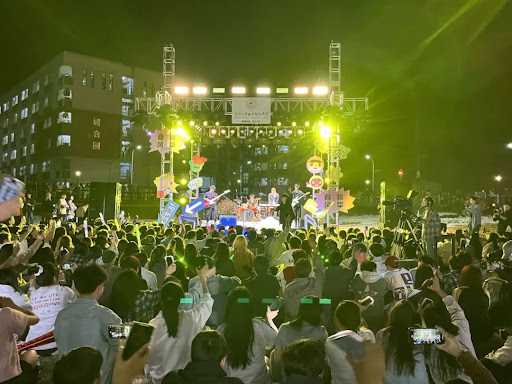
Schools typically host a wide variety of performances across genres and formats. From black box theaters to open-air campuses, this provides manufacturers with a broad testing ground for lighting fixture behavior, beam control efficiency, and user experience evaluation.
For example, a new compact beam light can be tested both for subtle ambient transitions in intimate dramas and for vibrant strobes in pop dance showcases—all in one institution.
Bridging Technical Training with Real-World Tools
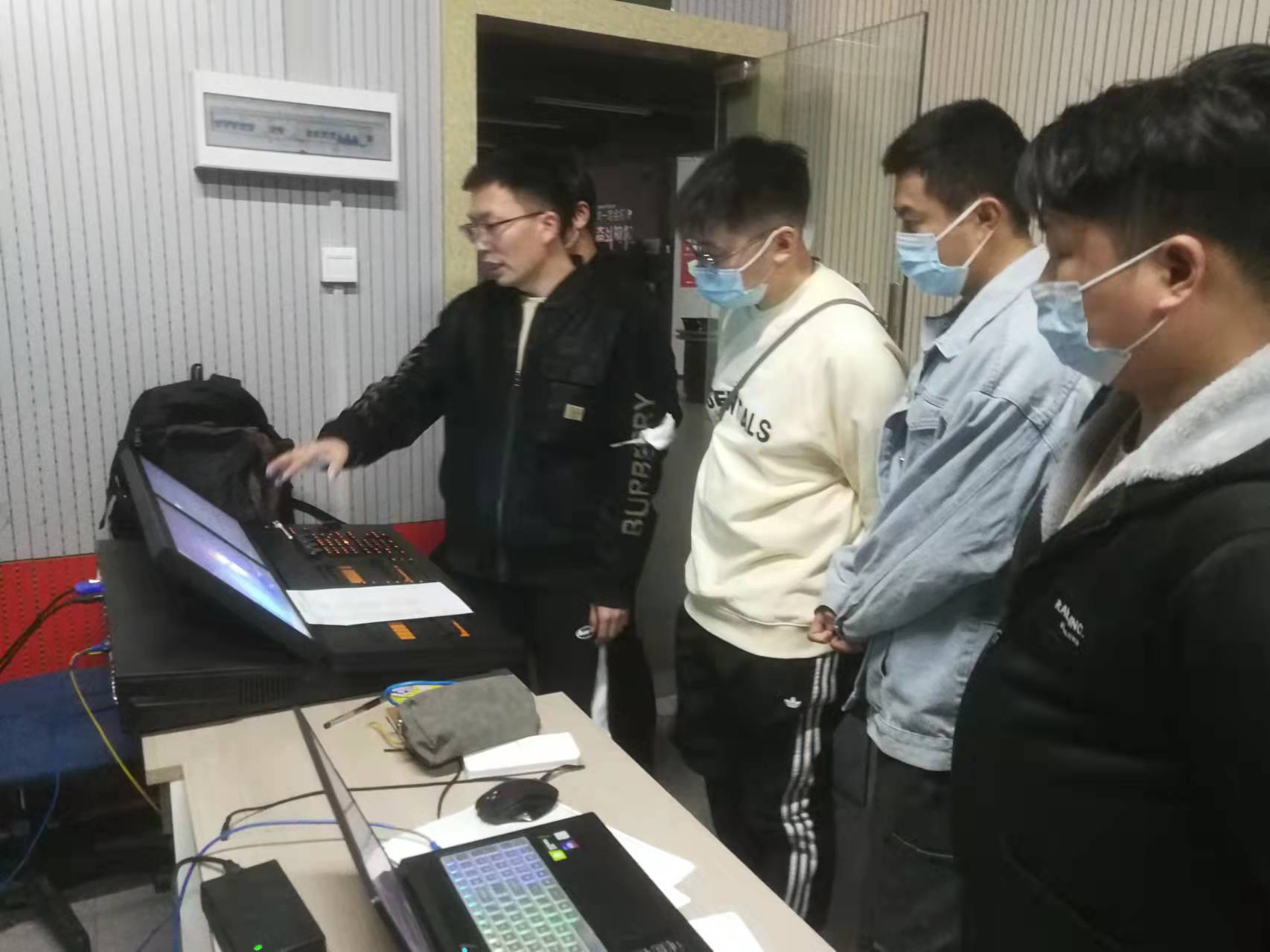
By partnering with lighting companies, performing arts schools enhance their educational offerings with current technologies, while manufacturers get informed insights into how the next generation of technicians approach learning curves. Offering workshops on DMX failsafe modes, color rendering index (CRI), or even fixture firmware updates over USB vs network helps bridge theory with practice.
In turn, this dual exposure helps manufacturers refine user interfaces and product documentation based on real feedback.
Cost-Efficient, Long-Term R&D Relationships
Unlike commercial clients, schools are often open to longer-term testing phases, especially when it provides pedagogical value. Offering prototype units, cloud-based lighting control demos, or beta-stage software integrations often builds deep trust and brand familiarity among educators and students alike.
Some institutions even integrate collaborative R&D into their academic curriculum—hosting thesis projects or lab-based trials that yield published findings valuable to product teams.
A Platform for Ethical Innovation
With growing concerns about sustainability and equity in entertainment technology, schools are often ideal partners for researching:
Energy-efficient fixture performance
Accessibility of lighting consoles
Environmentally-friendly packaging or materials
These R&D efforts can be paired with student-led audits or performance metrics for added authenticity and innovation depth.
Challenges and Best Practices
While collaboration is promising, it requires structure:
Clear expectations: Define what is expected in terms of data collection, usage limits, and return procedures.
Legal and IP considerations: Agreements should clarify ownership of findings and possible co-patenting situations.
Staff engagement: Assign project liaisons on both sides to maintain momentum and accountability.
Summary
Collaborating with performing arts schools on R&D projects offers a compelling blend of technical insight, artistic experimentation, and long-term brand-building. When structured effectively, these partnerships create products that are not only technically advanced but also deeply attuned to the evolving needs of future end-users in the entertainment industry.
READ MORE: