Introduction
In recent years, the stage design industry has undergone a dramatic transformation, catalyzed by technological innovation—especially artificial intelligence (AI). From projection mapping to real-time motion tracking and algorithmic scenography, AI is no longer just a futuristic concept in theatre—it’s an active collaborator in visual storytelling.
This article explores how AI is reshaping stage design, enhancing creativity, increasing efficiency, and redefining how audiences experience live performances.
Blue Sea Lighting specializes in combining cutting-edge lighting with intelligent technology to redefine visual storytelling across concerts, theater, and immersive exhibitions.
.jpg)
1. The Evolution of Stage Design
Stage design has always been about more than decoration—it is narrative architecture. In classical theatre, scenic painters and carpenters worked for weeks to build a physical world. Today, this artistry remains, but it is increasingly augmented by digital tools, virtual environments, and data-driven systems.
2. What AI Brings to the Table
AI is influencing stage design in several key ways:
Generative Design: Using AI tools like Runway ML or MidJourney, designers can generate hundreds of scenic concepts based on keywords, styles, or emotional tones.
Automated Lighting Sequences: Intelligent lighting systems now analyze sound, movement, and tempo to automate lighting adjustments in real-time.
Real-Time Set Simulation: Game engines like Unreal Engine, combined with AI input, allow directors and designers to visualize scenes in 3D long before construction begins.
3. Visual Storytelling Reimagined
AI empowers designers to think beyond static backgrounds. Instead, environments become active participants in the story. Imagine a forest backdrop that grows and wilts in real time based on an actor’s emotional state, or a city skyline that responds to the rhythm of a musical number.
This shift turns stage design from representational to responsive.
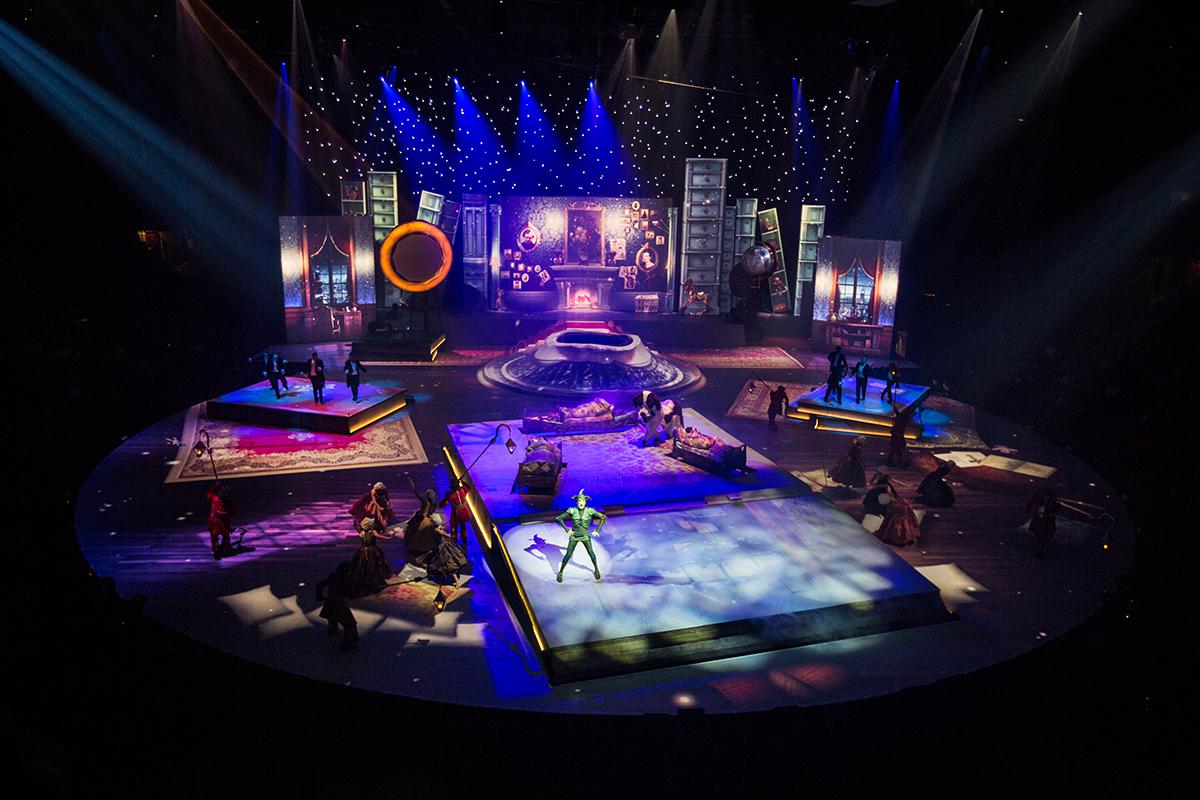
4. Blue Sea Lighting's Approach
As a pioneer in lighting and visual integration, Blue Sea Lighting uses AI-enhanced systems in several areas:
Emotion-Based Lighting Algorithms: Scenes shift color and intensity based on live audio analysis.
Smart Cue Systems: AI anticipates transitions in dance, opera, or live theatre, minimizing manual control.
Eco-Efficient Design: Generative AI optimizes rigging and positioning to reduce energy consumption.
5. Immersive Examples from Recent Shows
Image suggestion 1: A live dance performance featuring AI-synced lighting and projection
Image suggestion 2: A digital control center using real-time AI cue management
Image suggestion 3: Stage mockups generated via MidJourney for a sci-fi opera
Case studies from international productions show how generative visuals, intelligent automation, and real-time responsiveness create layered emotional impact.
6. Human + Machine Collaboration
Critics often worry that AI will "replace" designers. But in practice, AI acts more like a creative partner, not a replacement.
Designers feed AI prompts, which return unexpected variations. This iteration process fuels innovation while keeping the artist in control.
7. Challenges and Ethical Considerations
With great power comes responsibility. Ethical considerations include:
Who owns AI-generated content?
How do we credit machine-assisted creativity?
Can too much automation homogenize artistic voice?
8. The Future: Predictive, Interactive Stage Worlds
In the coming years, AI will be embedded in predictive design—set pieces adapting in real time to audience reactions, interactive lighting reacting to applause levels, and biometric data informing the visual mood.
Conclusion
Theatre has always been about innovation. From candlelight to LEDs, from painted canvas to holograms, it evolves. AI is simply the next leap.
With companies like Blue Sea Lighting leading the way, the fusion of artistry and intelligence will shape new visual languages that resonate with 21st-century audiences.